
What Makes a Good Documentary Wedding Photographer?
More Than
Observation.
Documentary wedding photography is often misunderstood. Many people imagine a photographer quietly standing in the background, simply recording whatever happens throughout the day. As if documentary photography is little more than showing up, staying out of the way, and waiting for moments to unfold. The reality is considerably more nuanced. The best documentary wedding photographers are not inactive spectators. They are paying attention to people, anticipating what might happen next, reading the room, and making decisions about when to move closer, when to wait and when to intervene. They pay attention not only to what is happening, but to the relationships, shifts in energy, gestures and details that give a wedding its particular character.
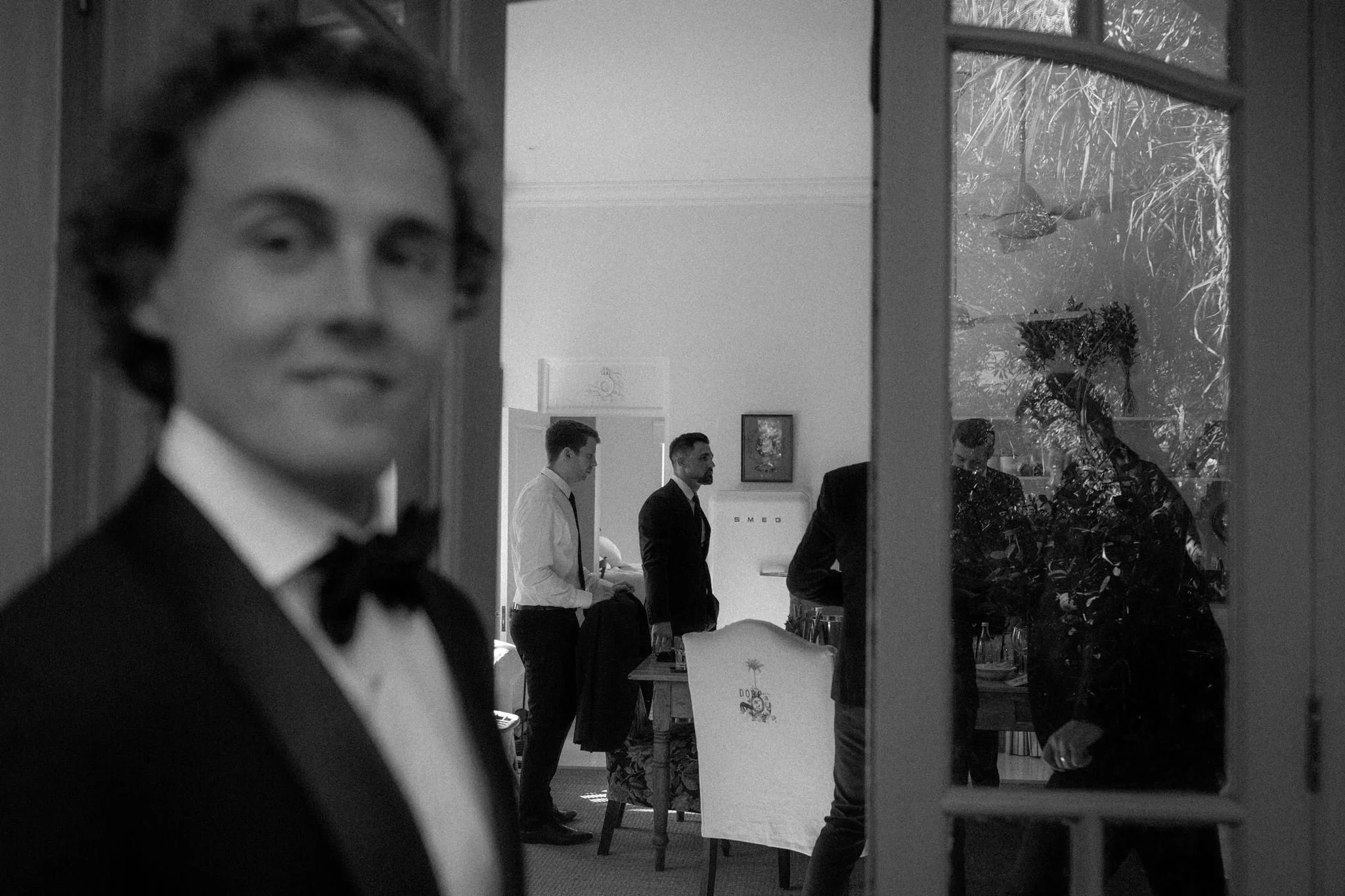
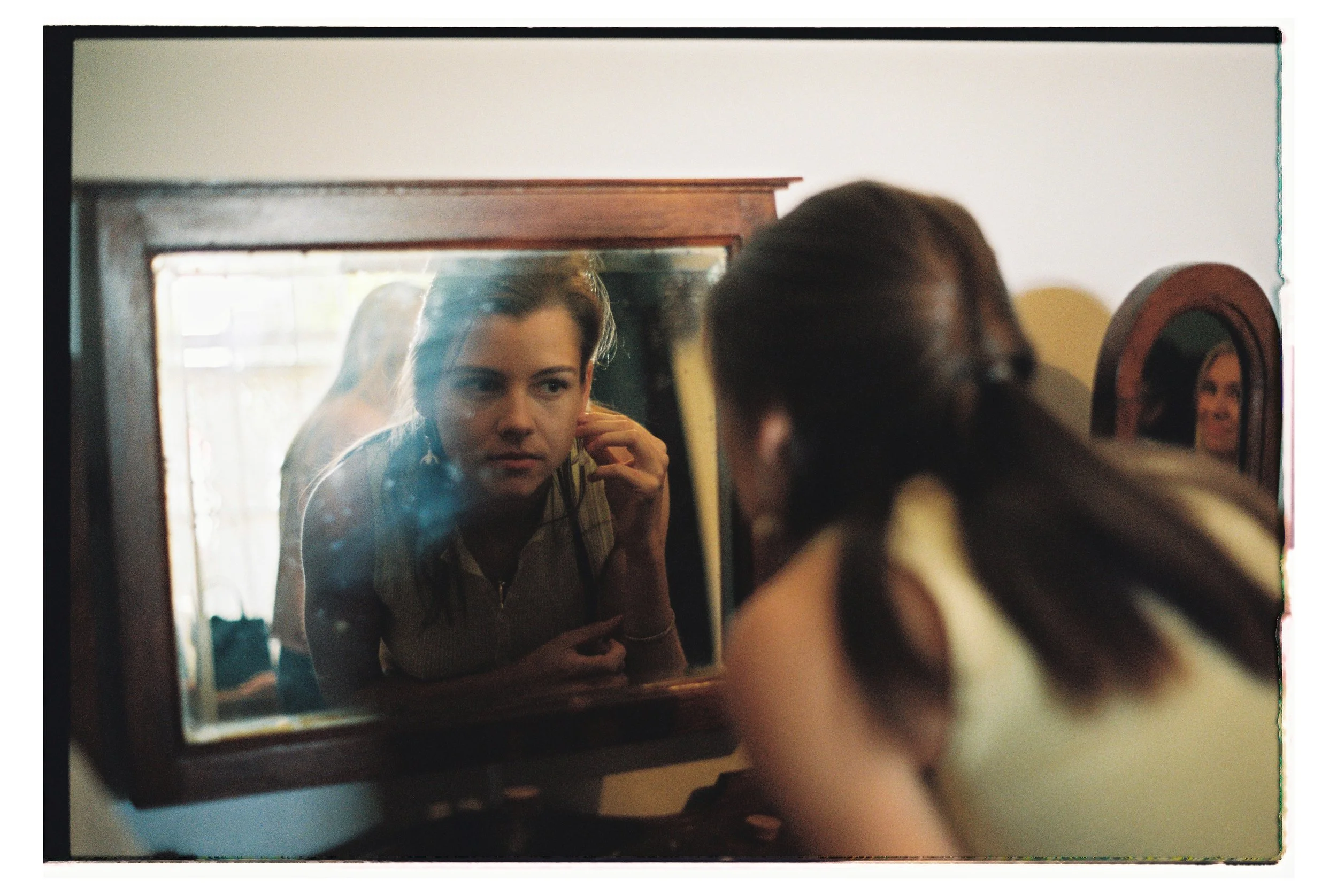
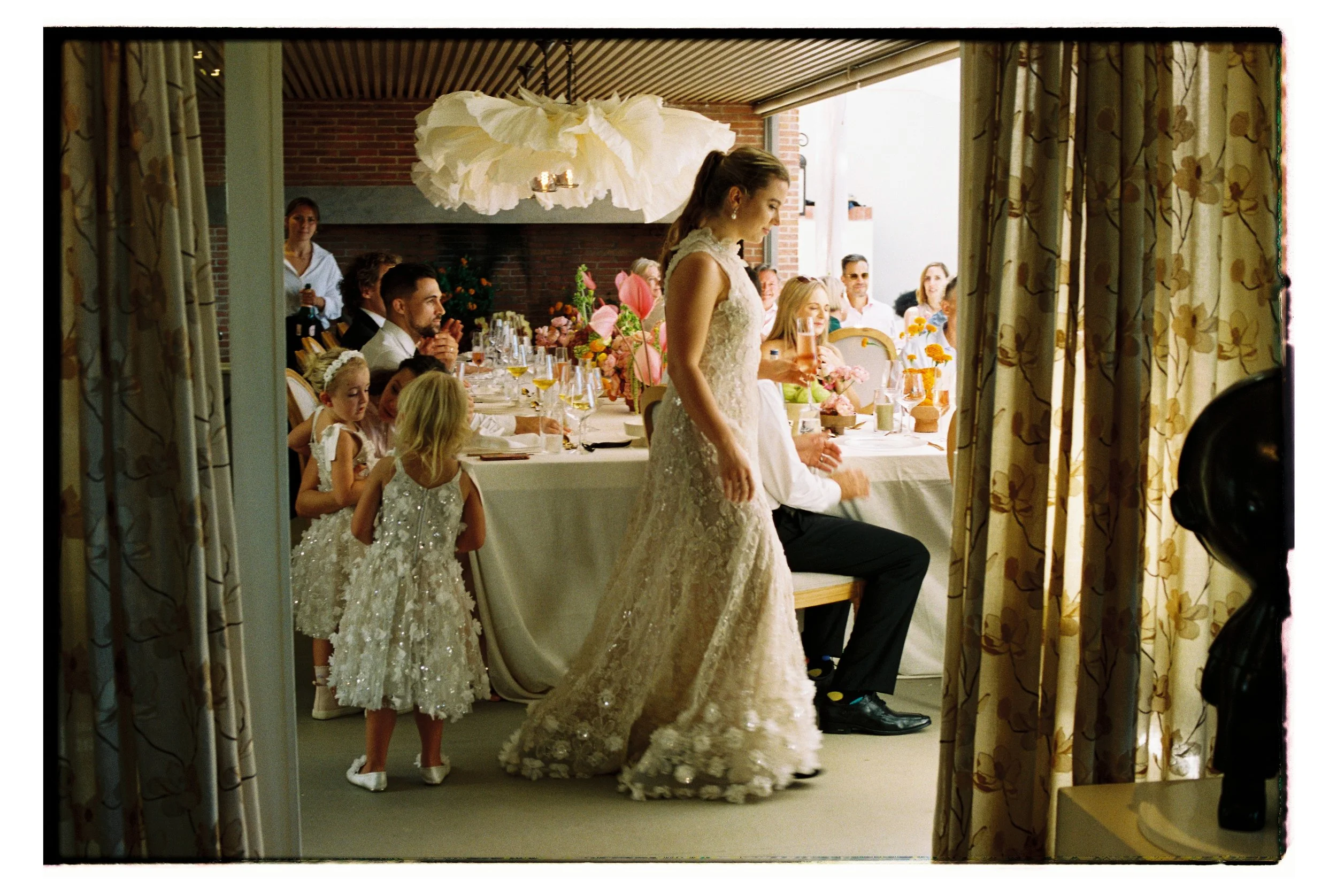
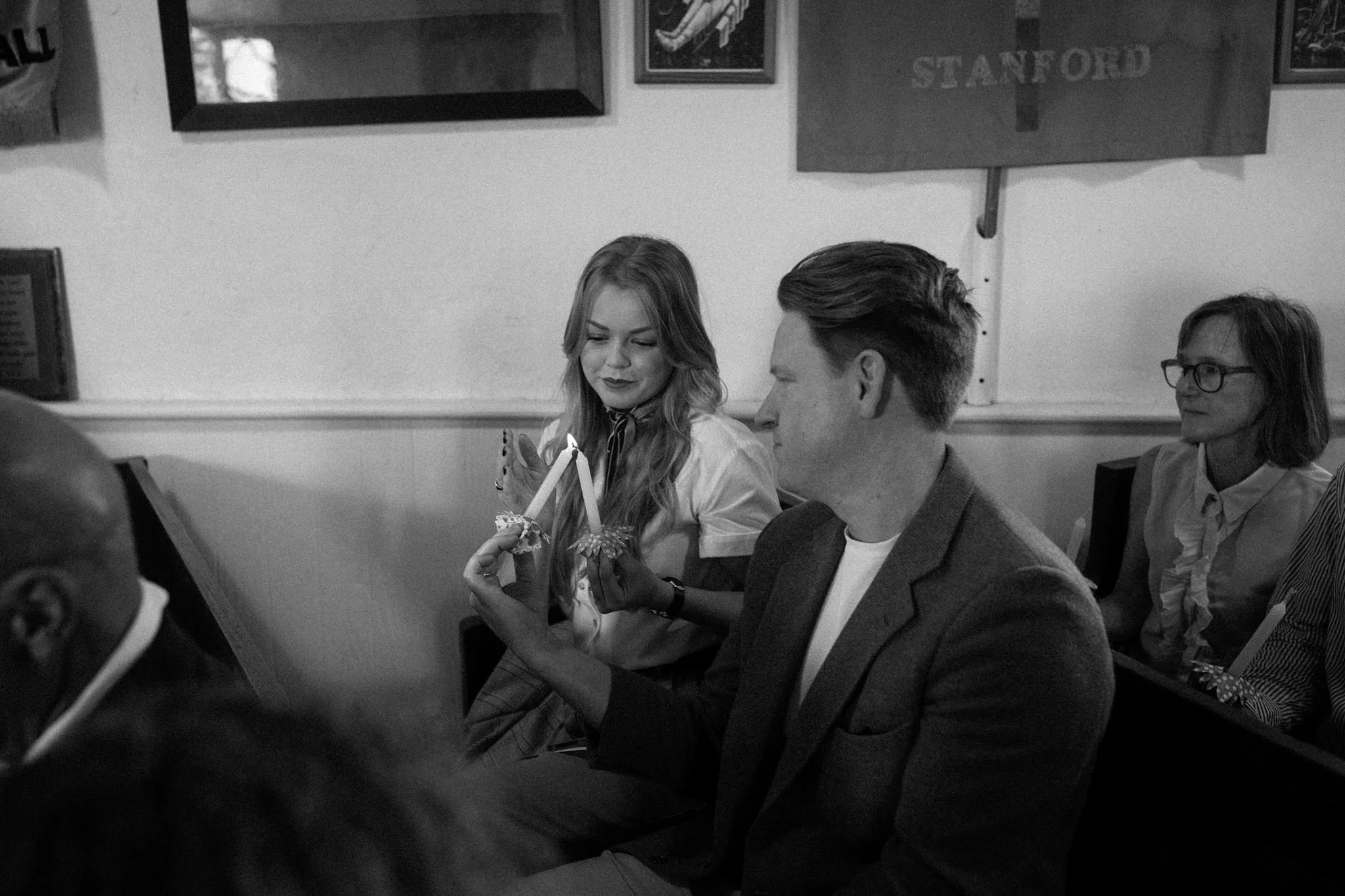
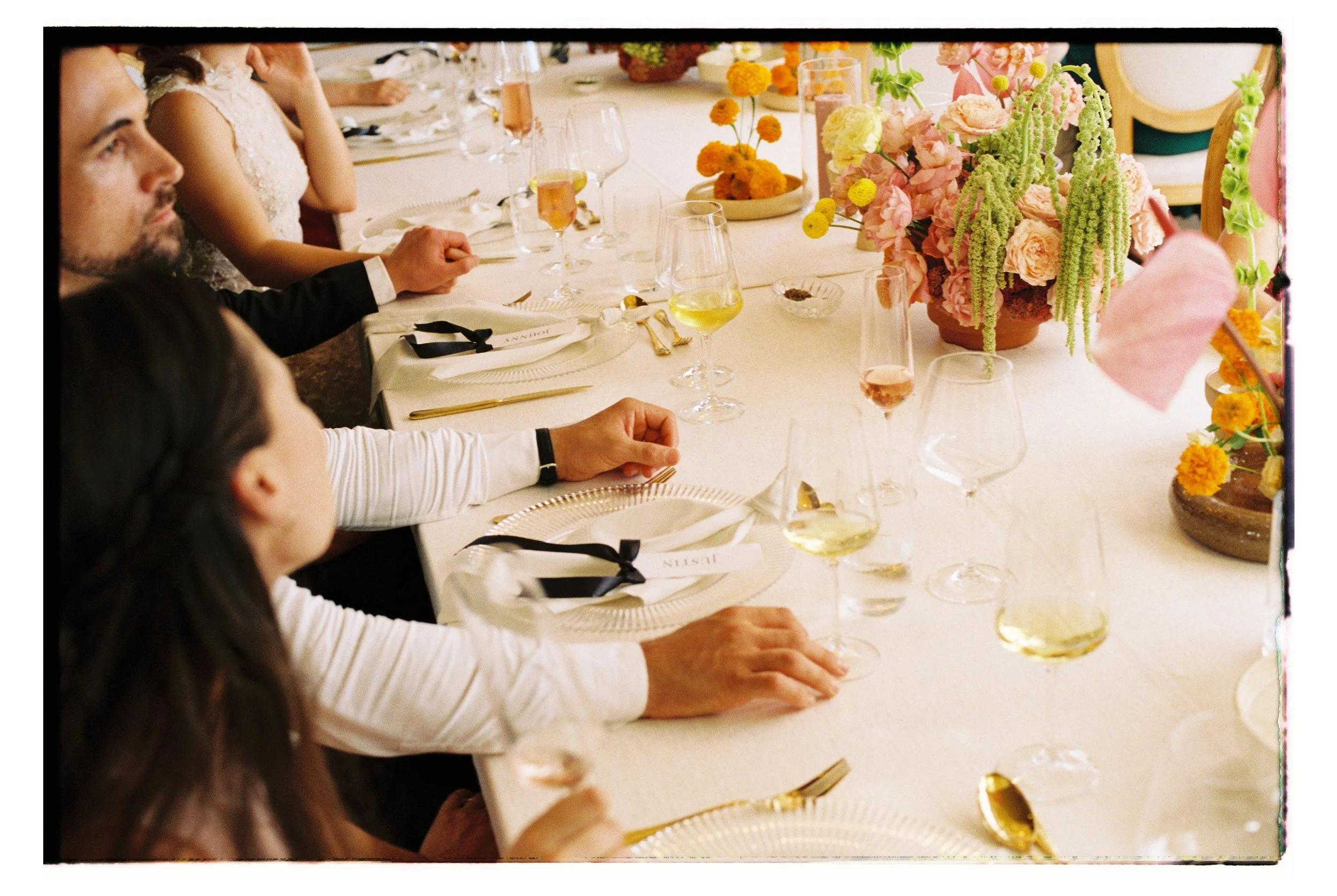
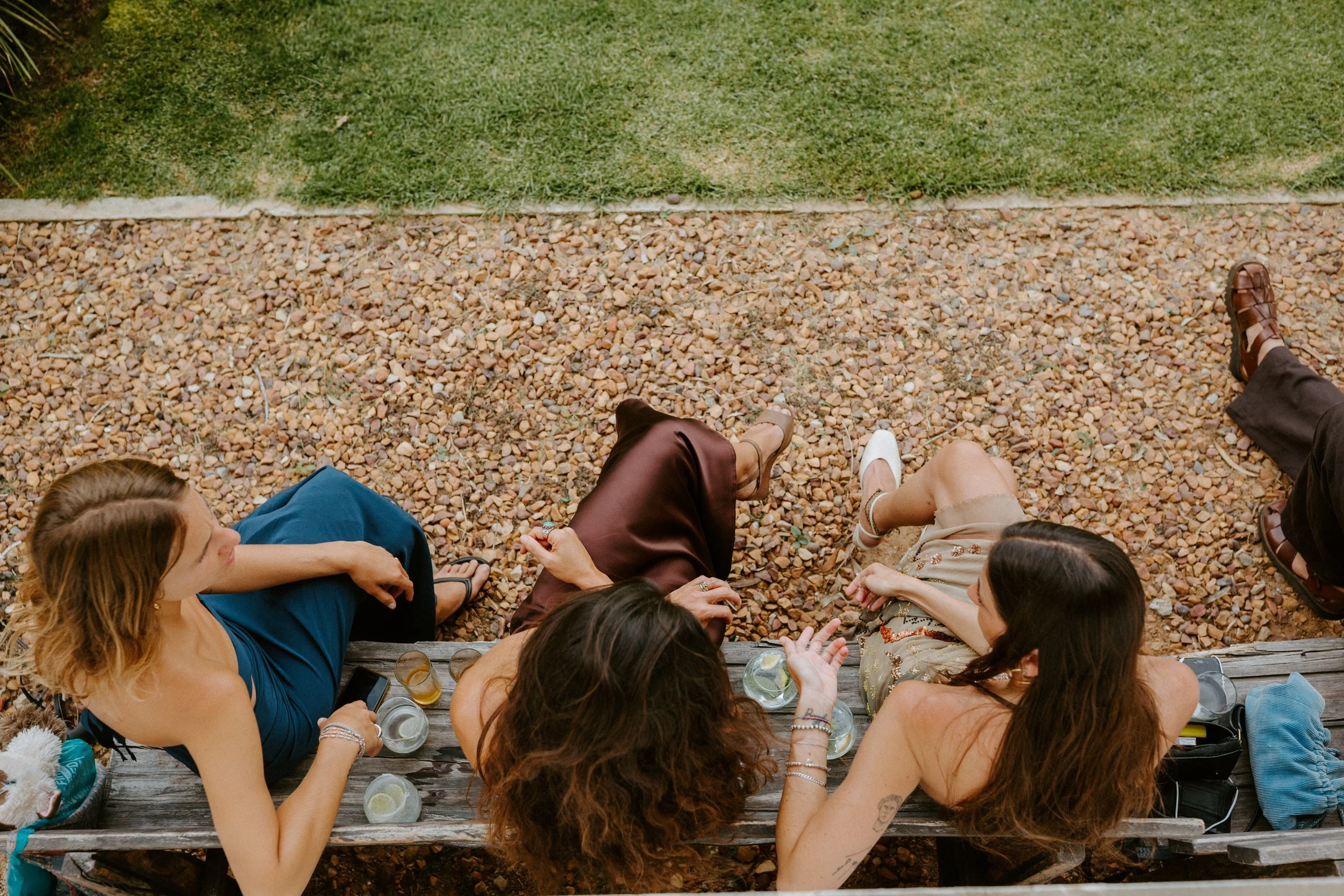
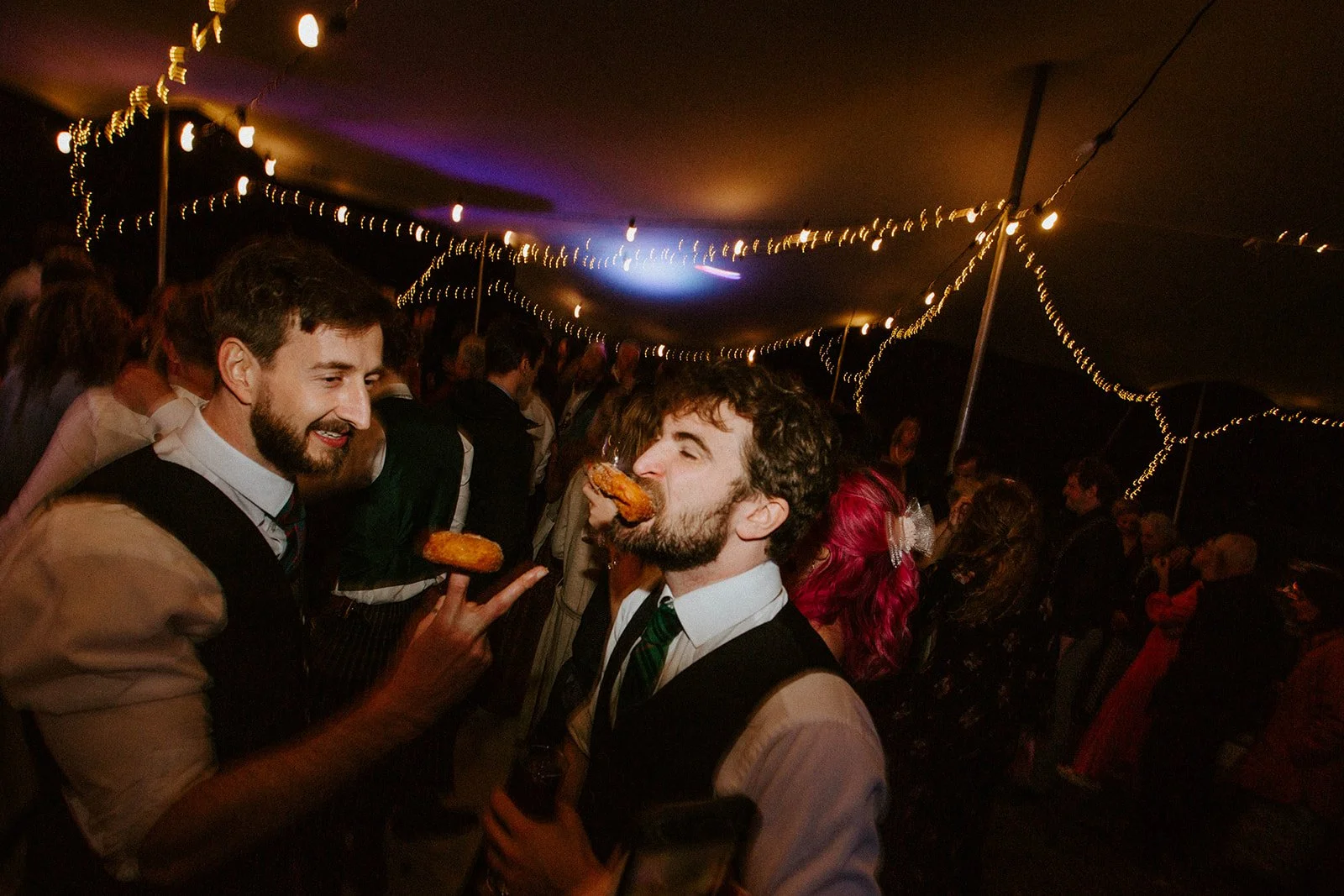
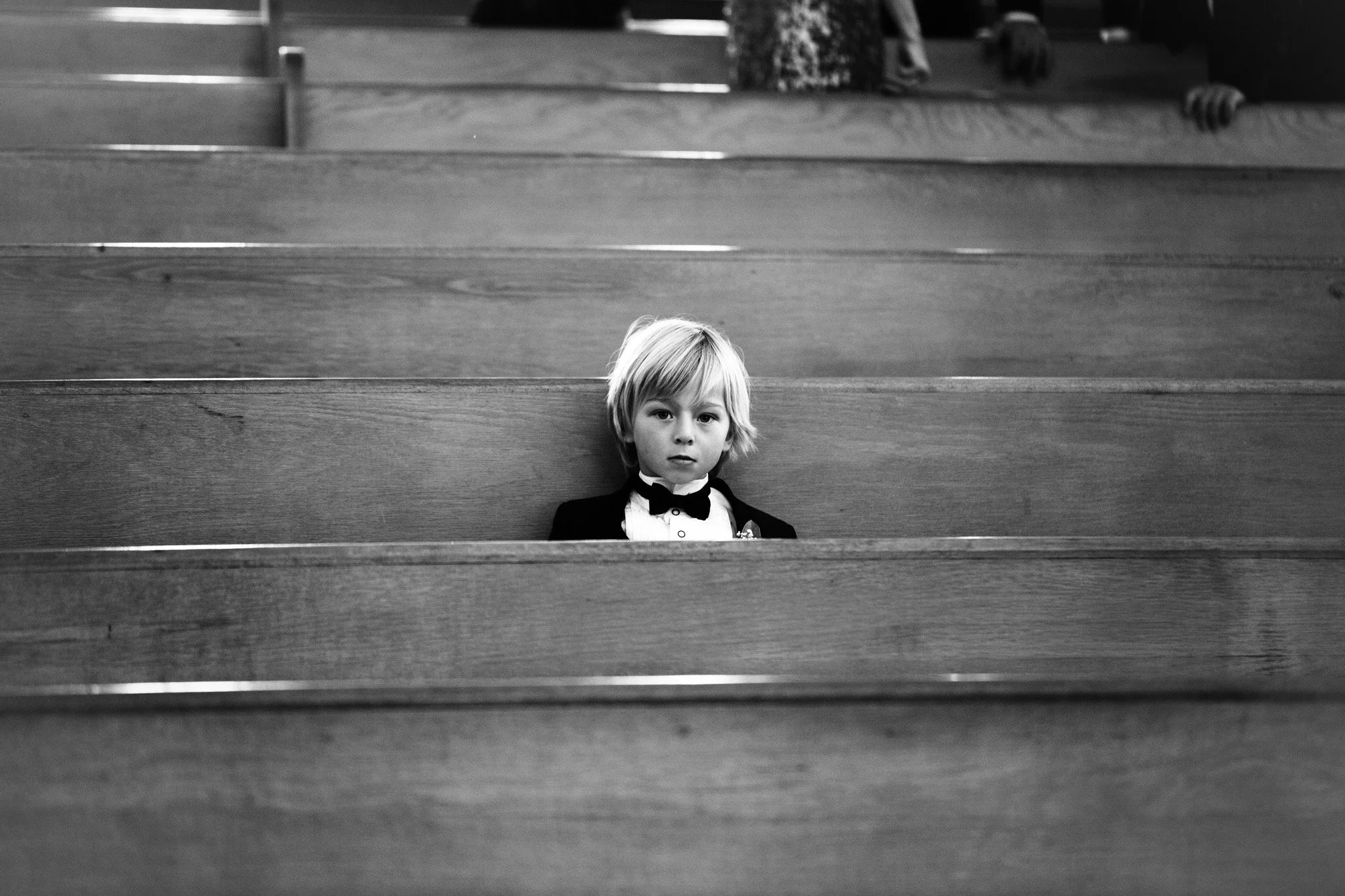
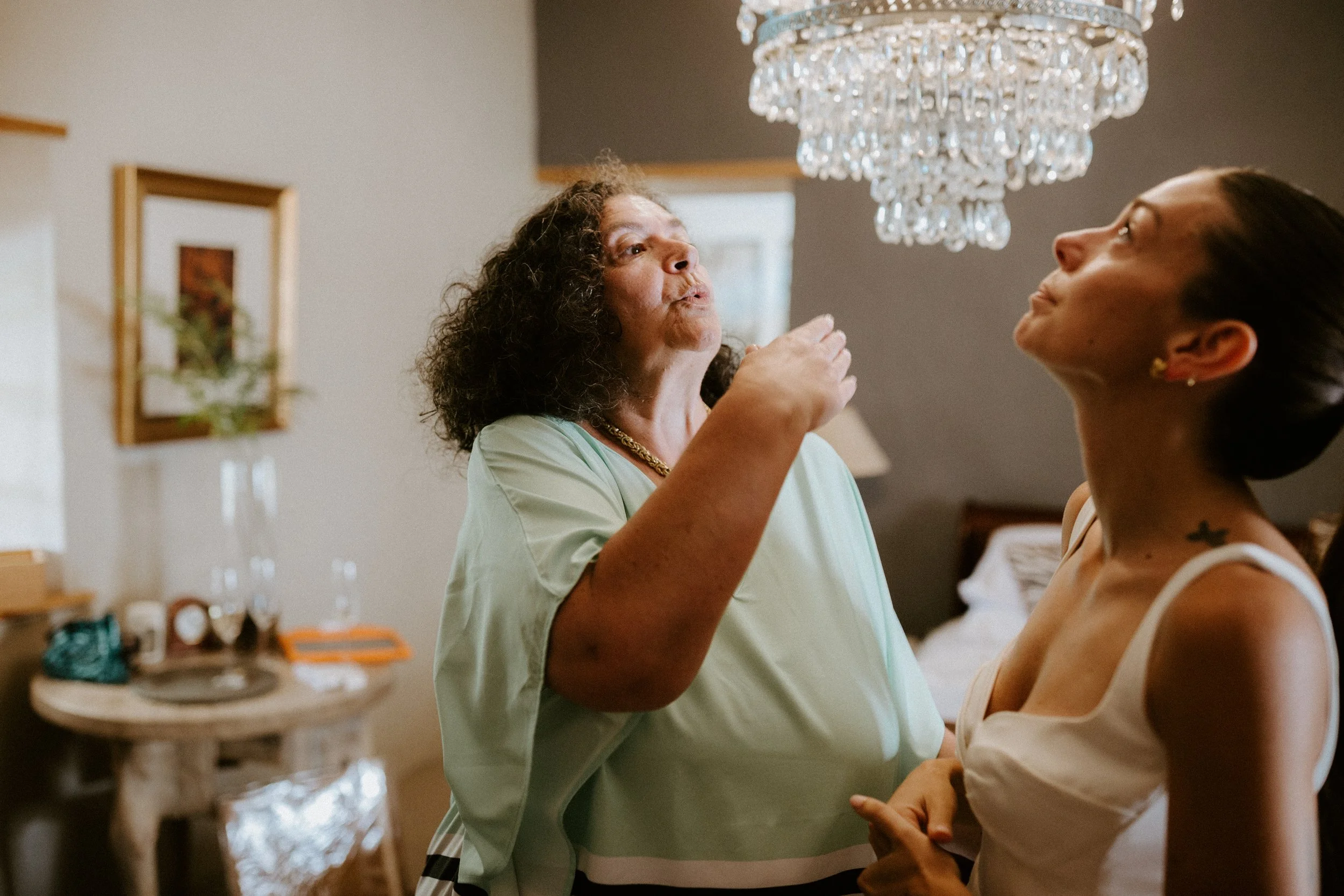
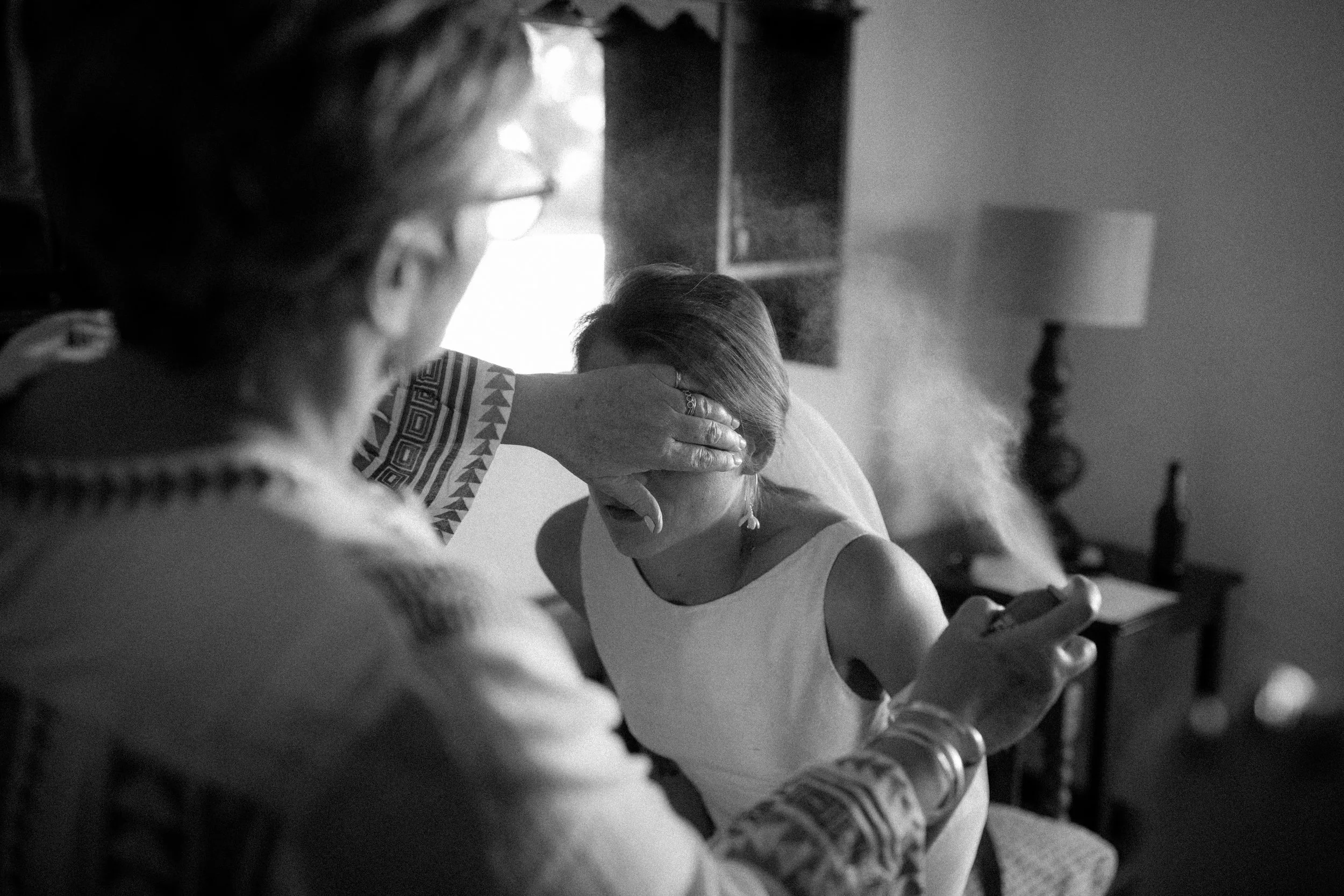
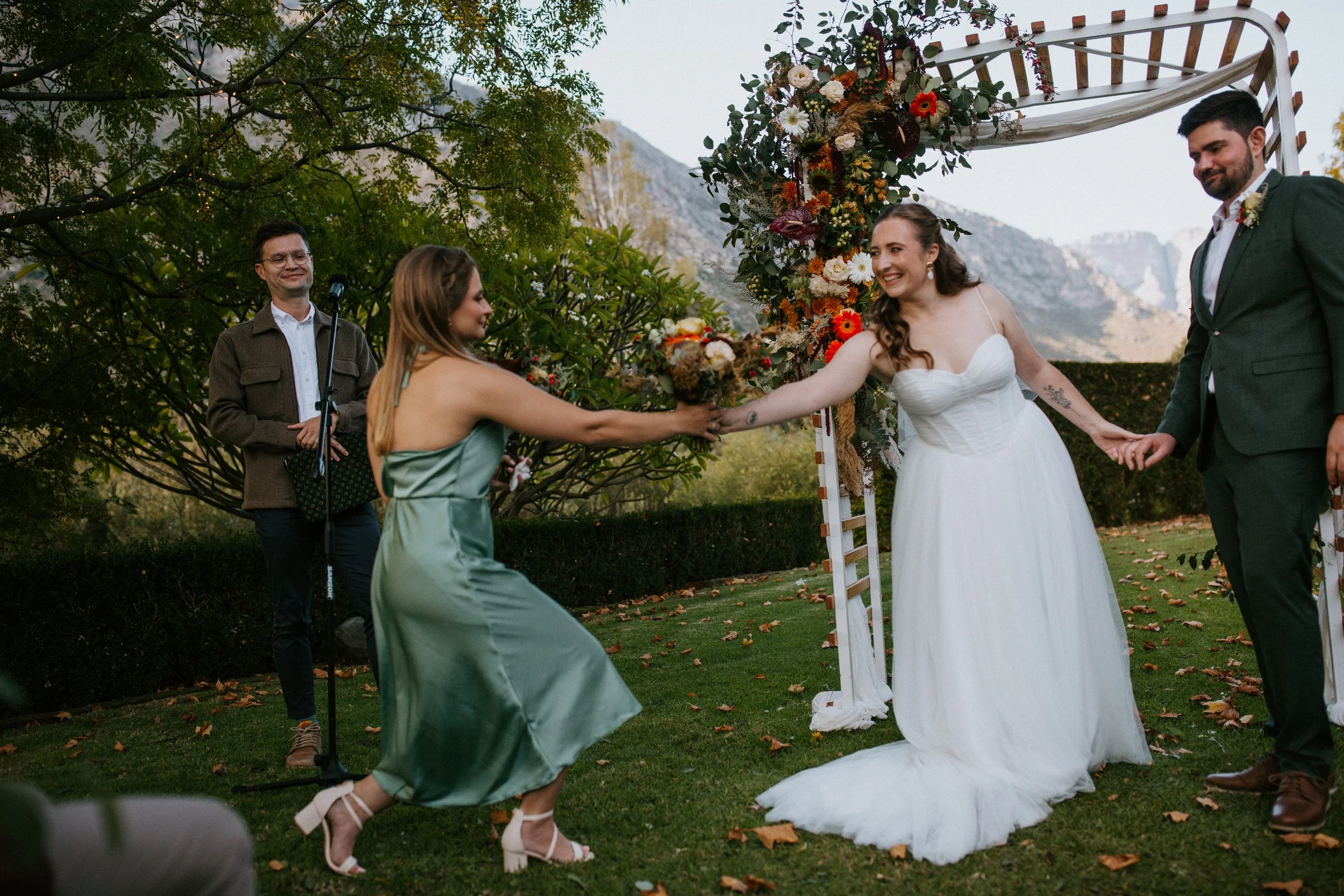
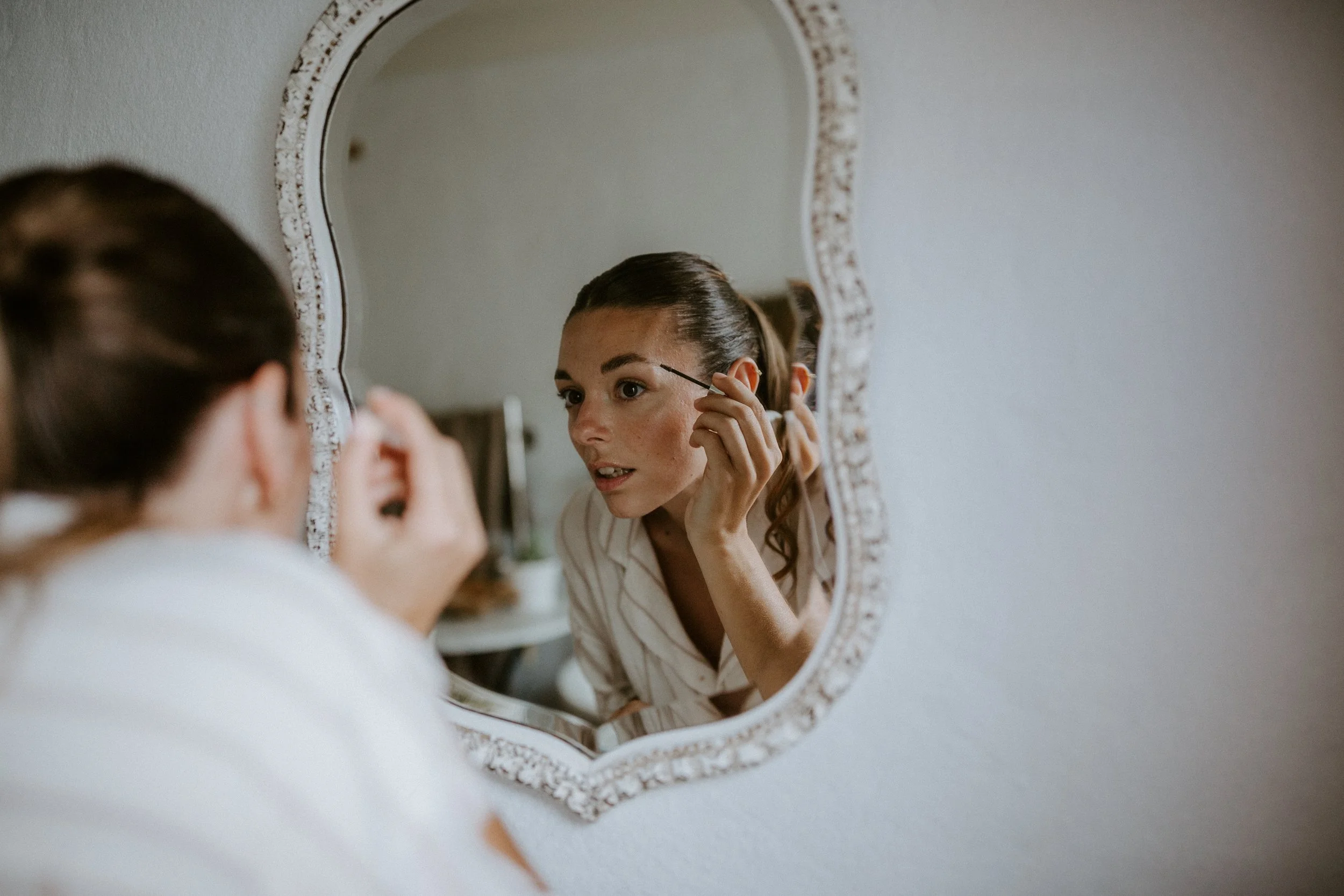
Wedding days are filled with obvious moments. The ceremony. The vows. The speeches. The first dance. But some of the most interesting photographs aren't found in these centerpieces of the day. They appear elsewhere in quieter, less obvious spaces. A parent taking a breath before walking into the ceremony. A friend reaching across a table without thinking. A glance between two people that lasts only a second. A good documentary wedding photographer develops the ability to anticipate what is happening, rather than simply reacting once it has already happened.
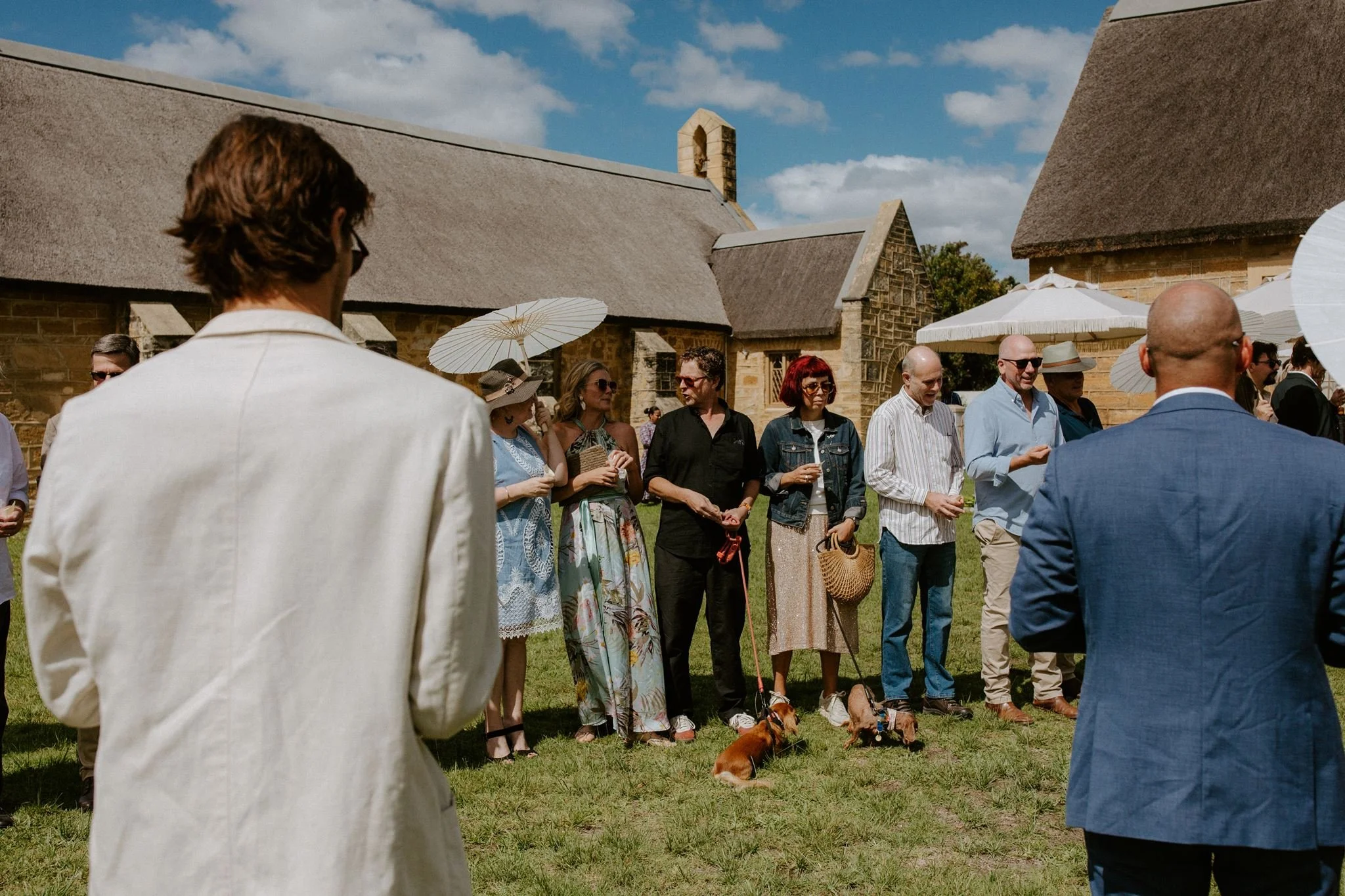
Every wedding photographer needs to understand light, timing and composition. They also need to know how to work with people. Documentary wedding photography is about paying attention to people, but also to the places they inhabit, the way light moves through a space, and the visual details that give a wedding its character. A photographer can master every technical aspect of the camera and still struggle to create meaningful work if they don’t understand interpersonal connection. The strongest images come from recognizing relationships: siblings interacting without words, the pride in a parent’s expression, the ease between lifelong friends, or the muted gestures that reveal something deeper than language. Anticipation proves to be one of the most important skills involved. A glance held a little longer than usual. A conversation beginning to shift. A parent trying to compose themselves before the ceremony. Small cues often reveal that something meaningful is about to happen. The ability to recognize those cues before they unfold allows a photographer to be in the right place at the right time. A wedding is not only the story of two people getting married. It is also the story of everyone who comes to witness it. Family members who travel long distances. Relationships that cover decades. Relationships that formed the couple long before the wedding day began.
The aim is not absence, but sensitivity to timing: knowing when involvement improves the experience and when it interrupts it. Family photographs still need organizing. Portraits sometimes need gentle guidance. Timelines occasionally need support. The difference lies in intention. The question isn't whether I directed something. It's whether directing it made the photograph or the experience better. A good documentary wedding photographer isn't simply looking for moments. They're making decisions all day: where to stand, when to wait, when to move closer, when to direct, and when to leave something alone.
That's what good documentary wedding photography requires.
The role is not simply to photograph a wedding, but to pay close attention to the people within it and to know what is worth photographing and when to leave something alone.
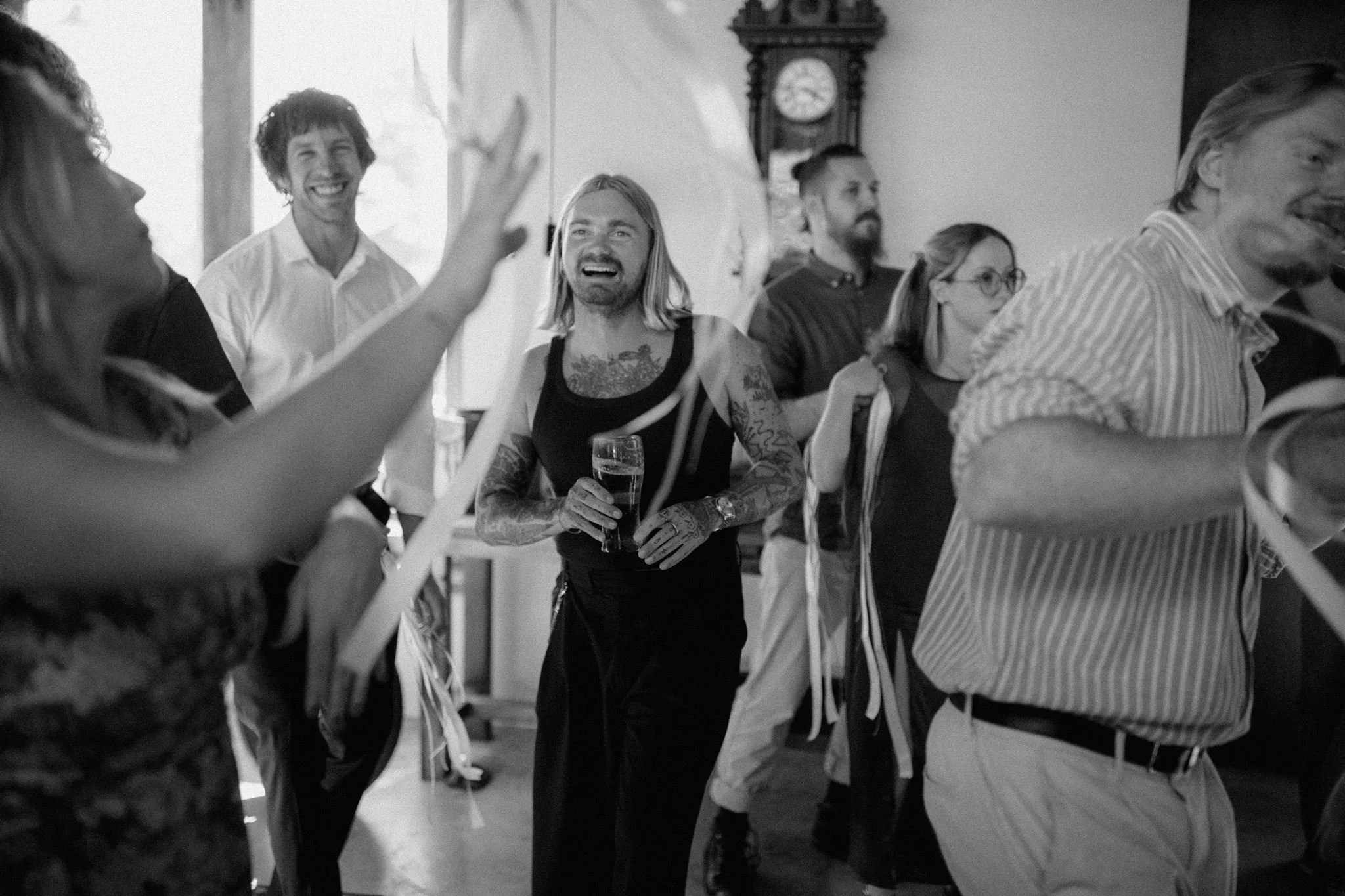

Creating a space where you feel entirely at ease allows those honest, unscripted moments to unfold naturally. To read more about my philosophy or to view recent work, explore my approach to documentary wedding photography in Cape Town and beyond.
