
What Documentary Wedding Photography Actually Feels Like
less
Performance.
More
PARTICIPATING.
If you're considering documentary wedding photography, you may be wondering what having that kind of photographer around will actually feel like. Will you spend the day being directed, or will you be able to stay involved in what is happening around you?
Documentary wedding photography isn't about removing the photographer from the day. It's about knowing when to step in, when to step back, and where to be when something is happening.
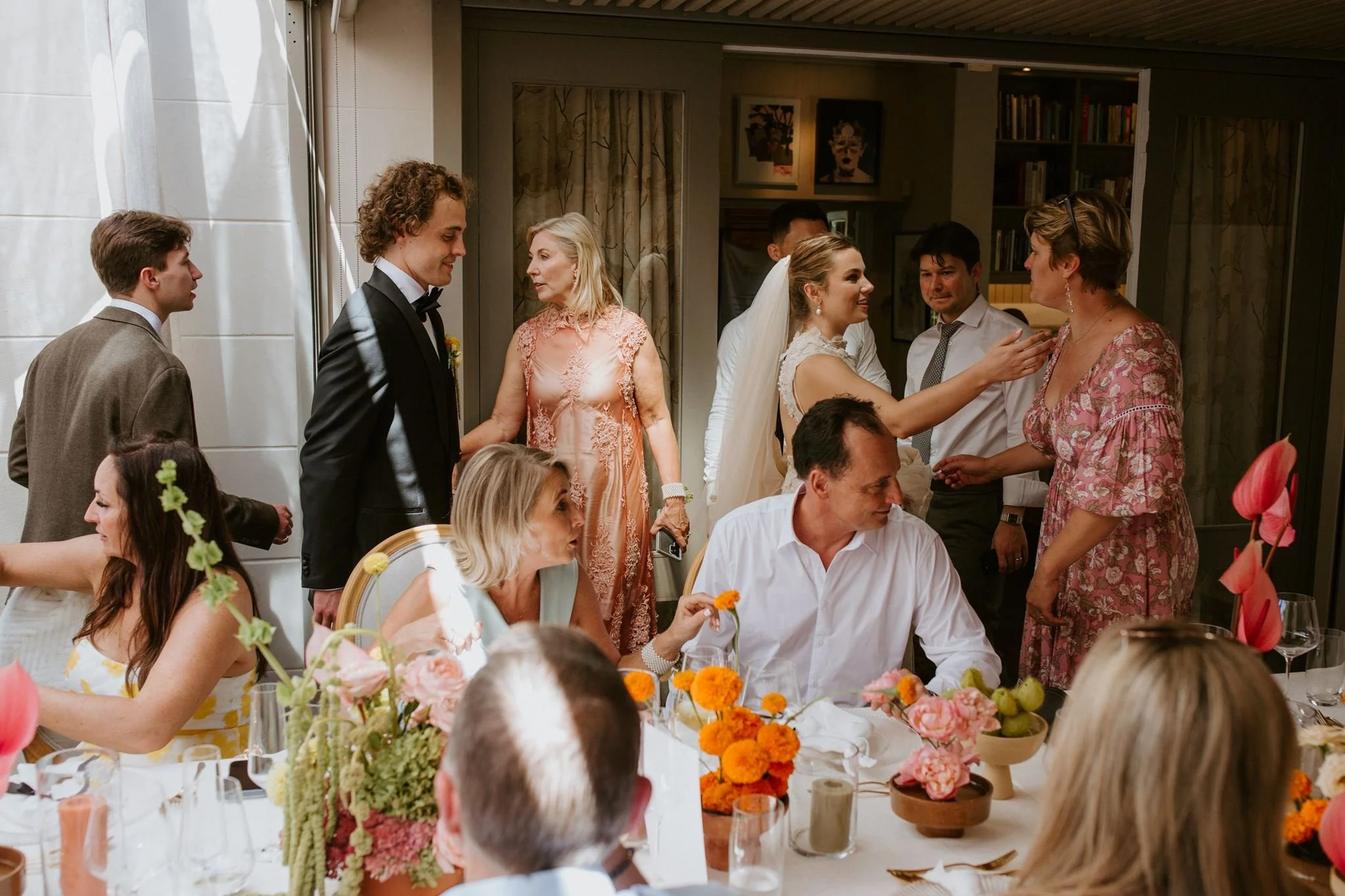
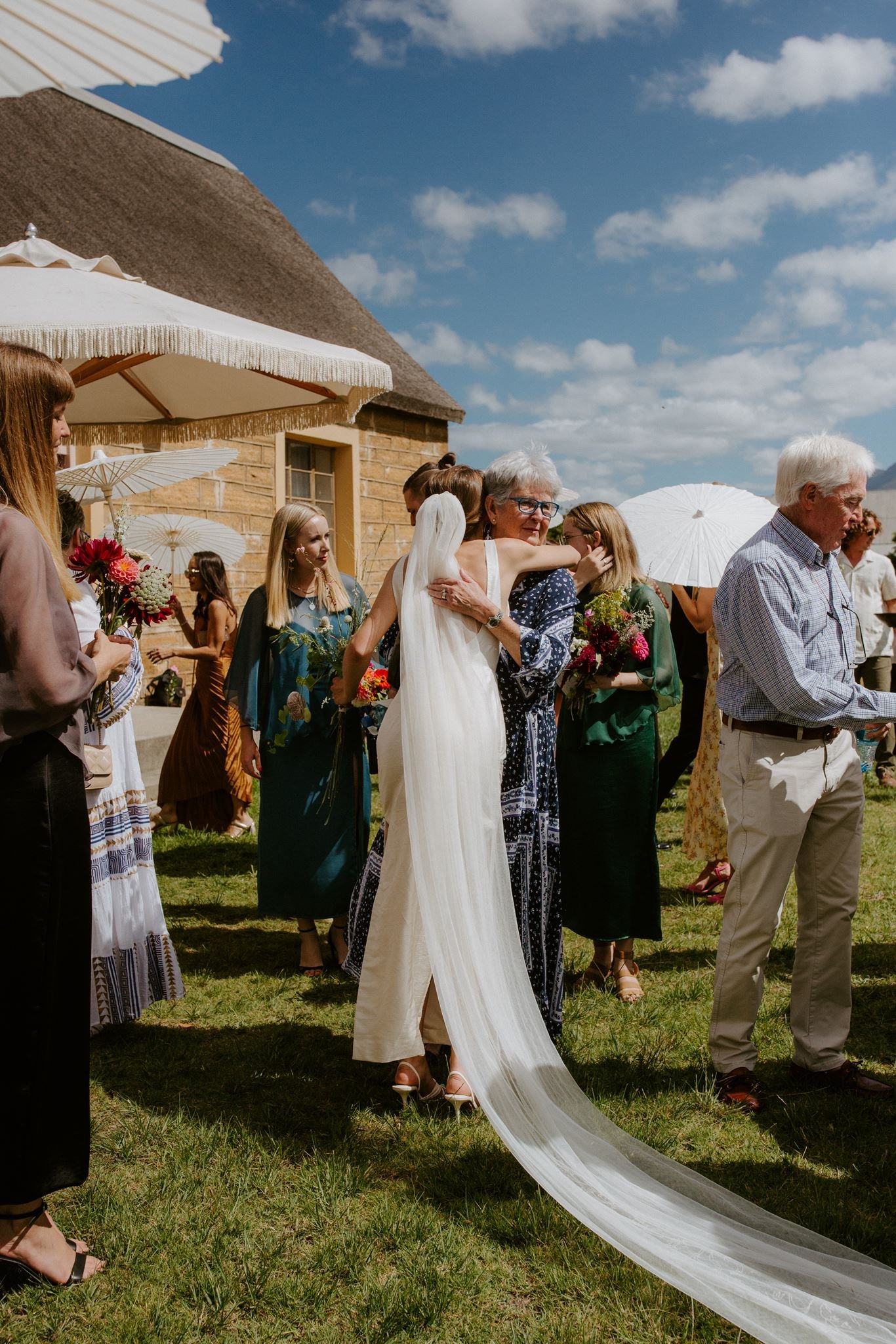
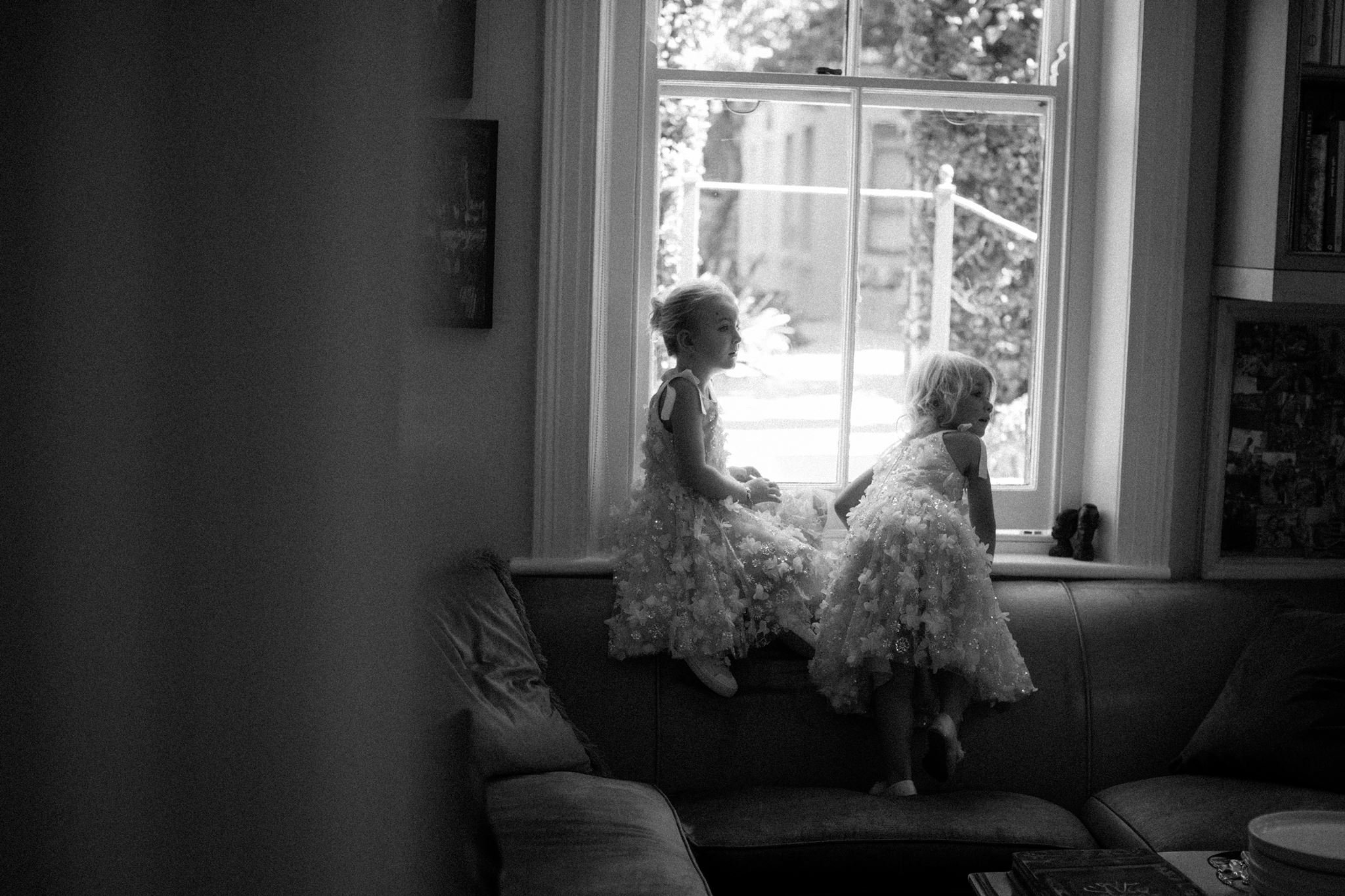
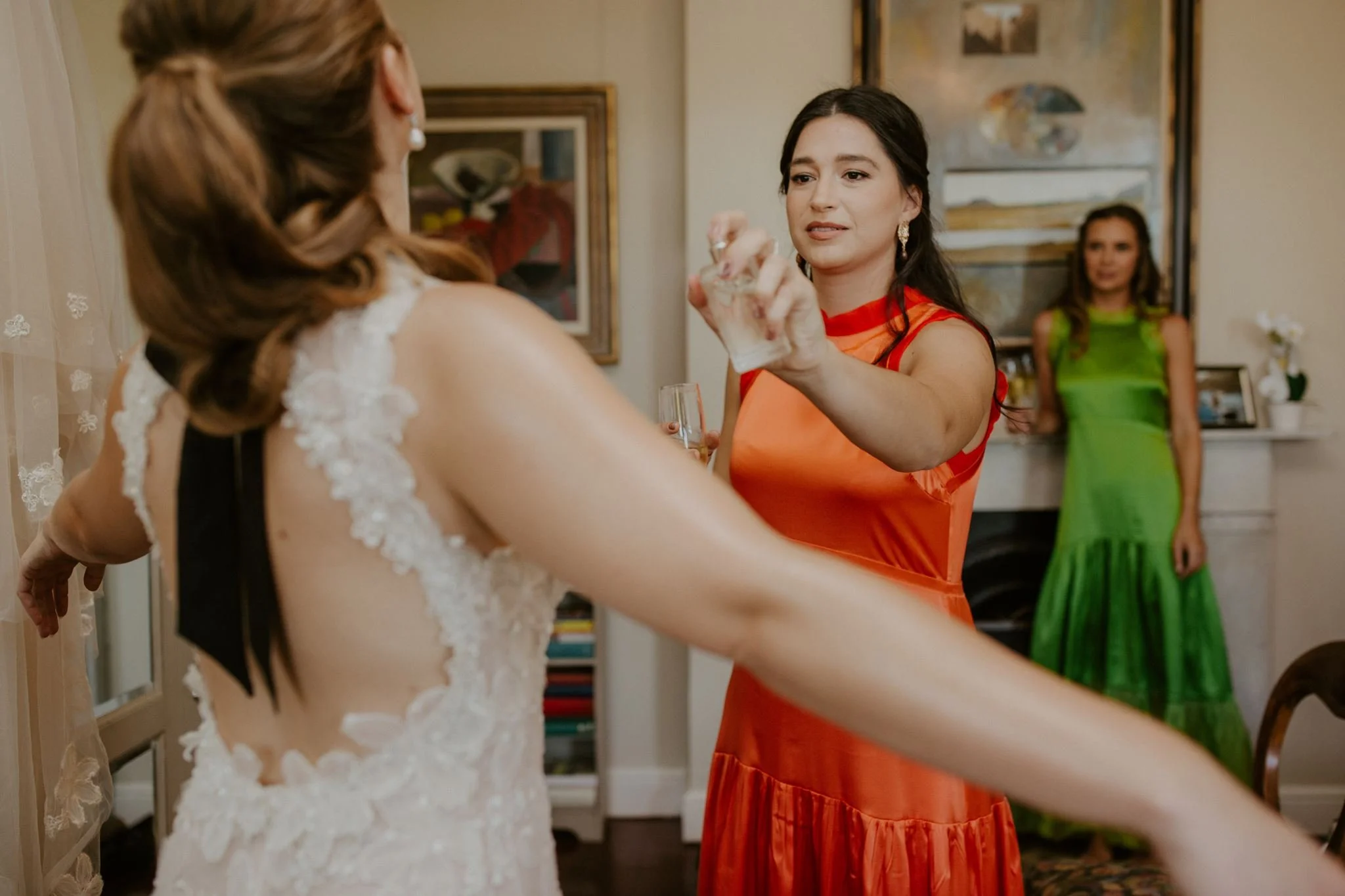
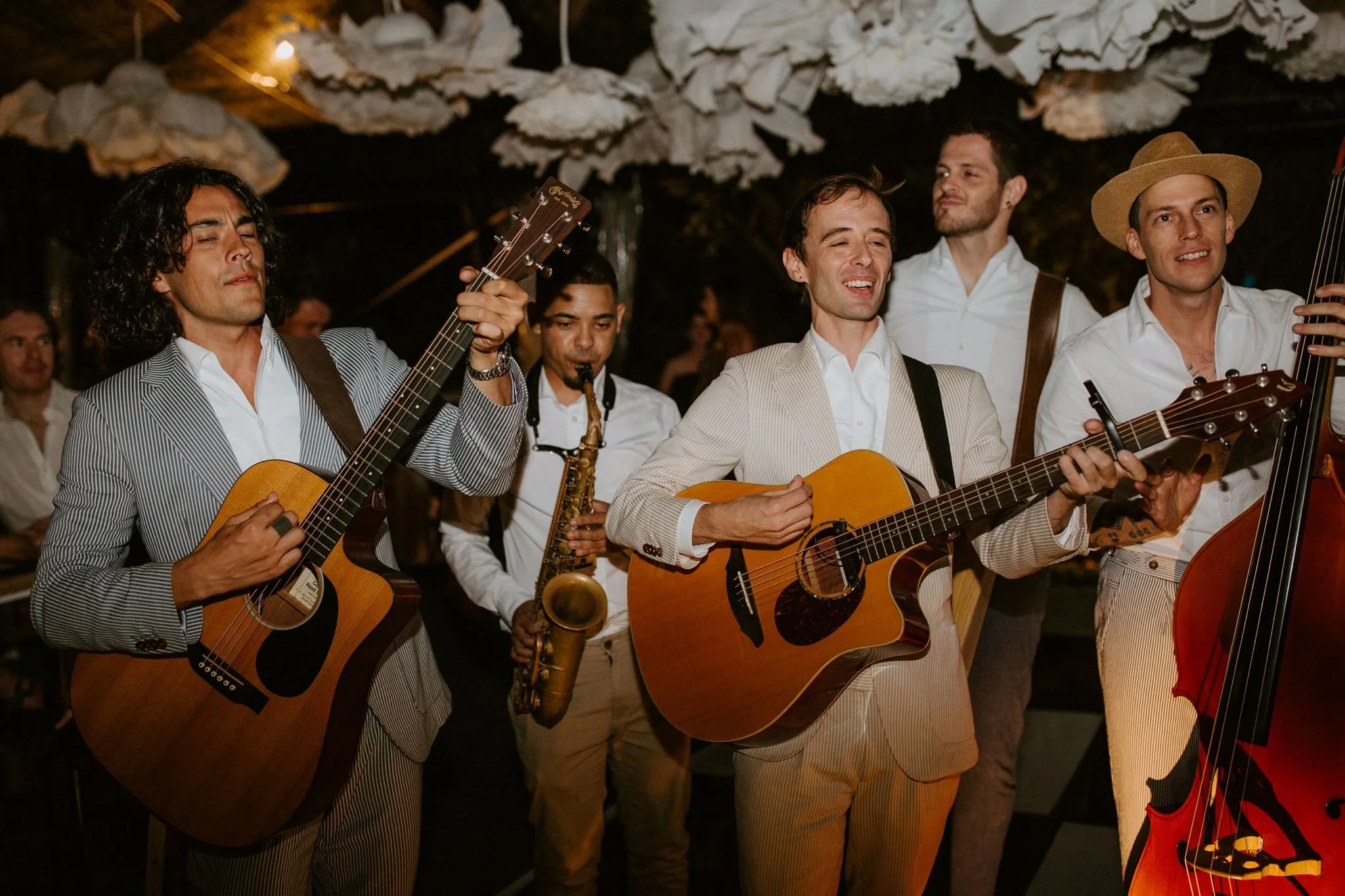
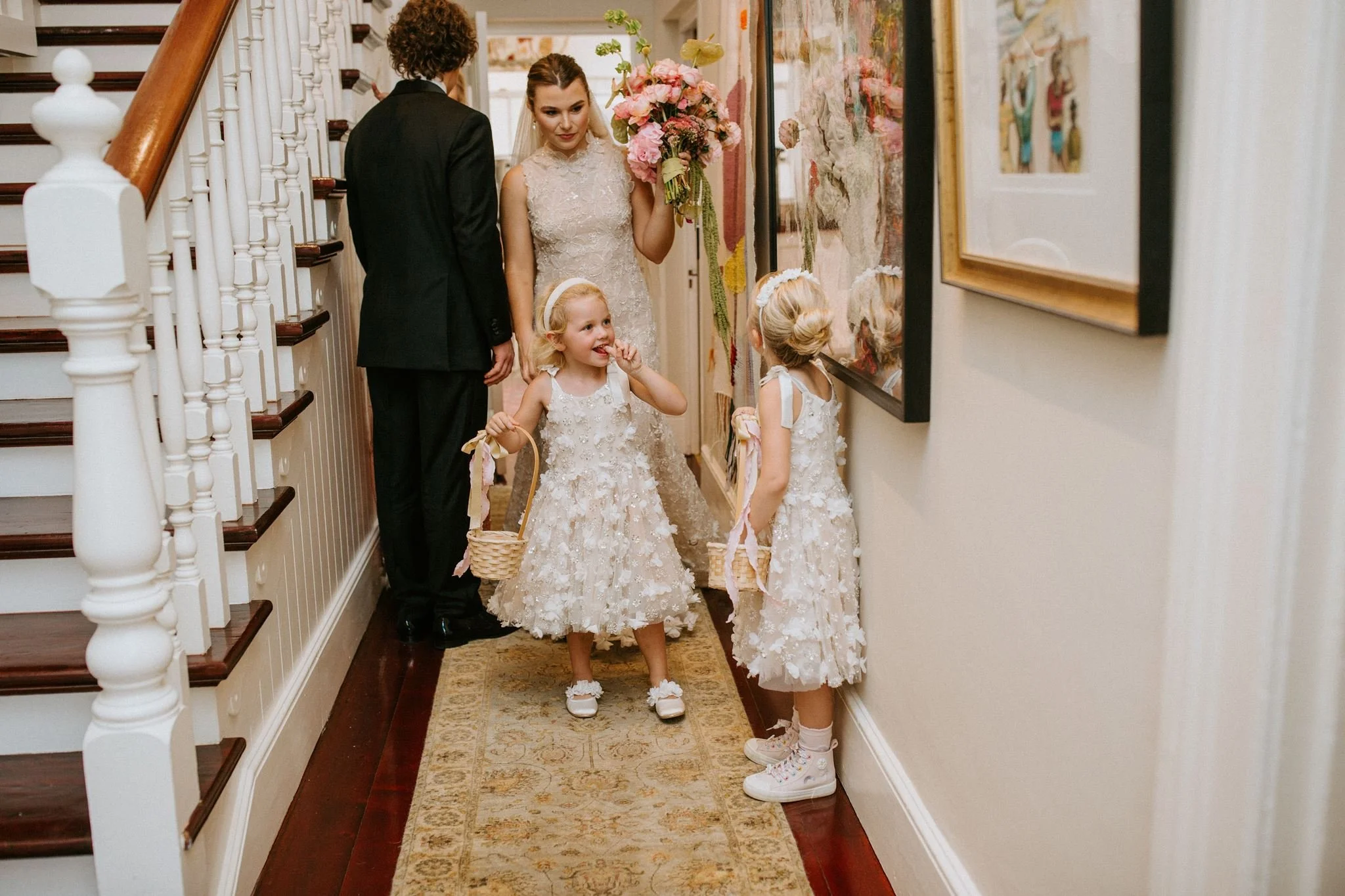
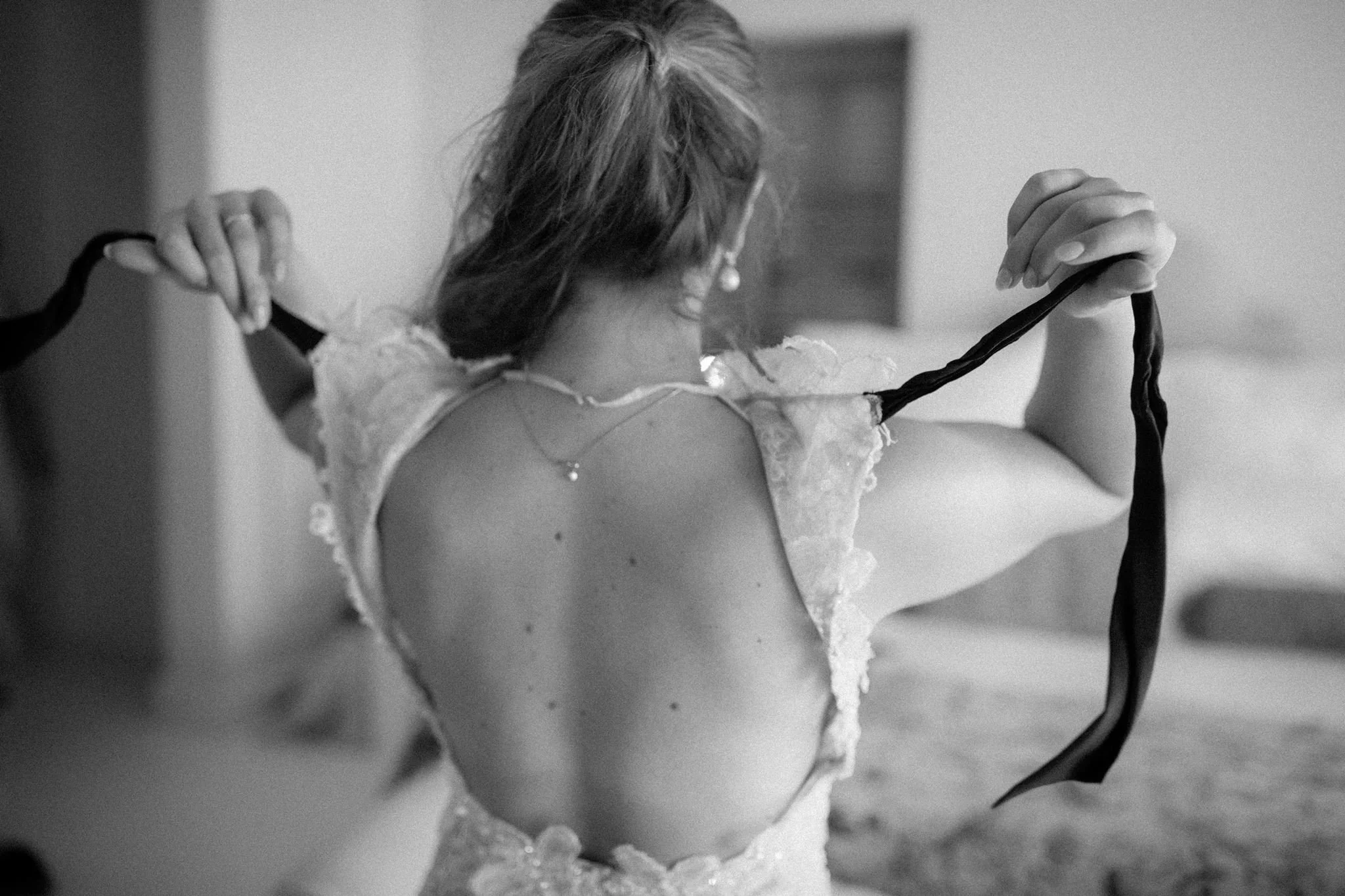
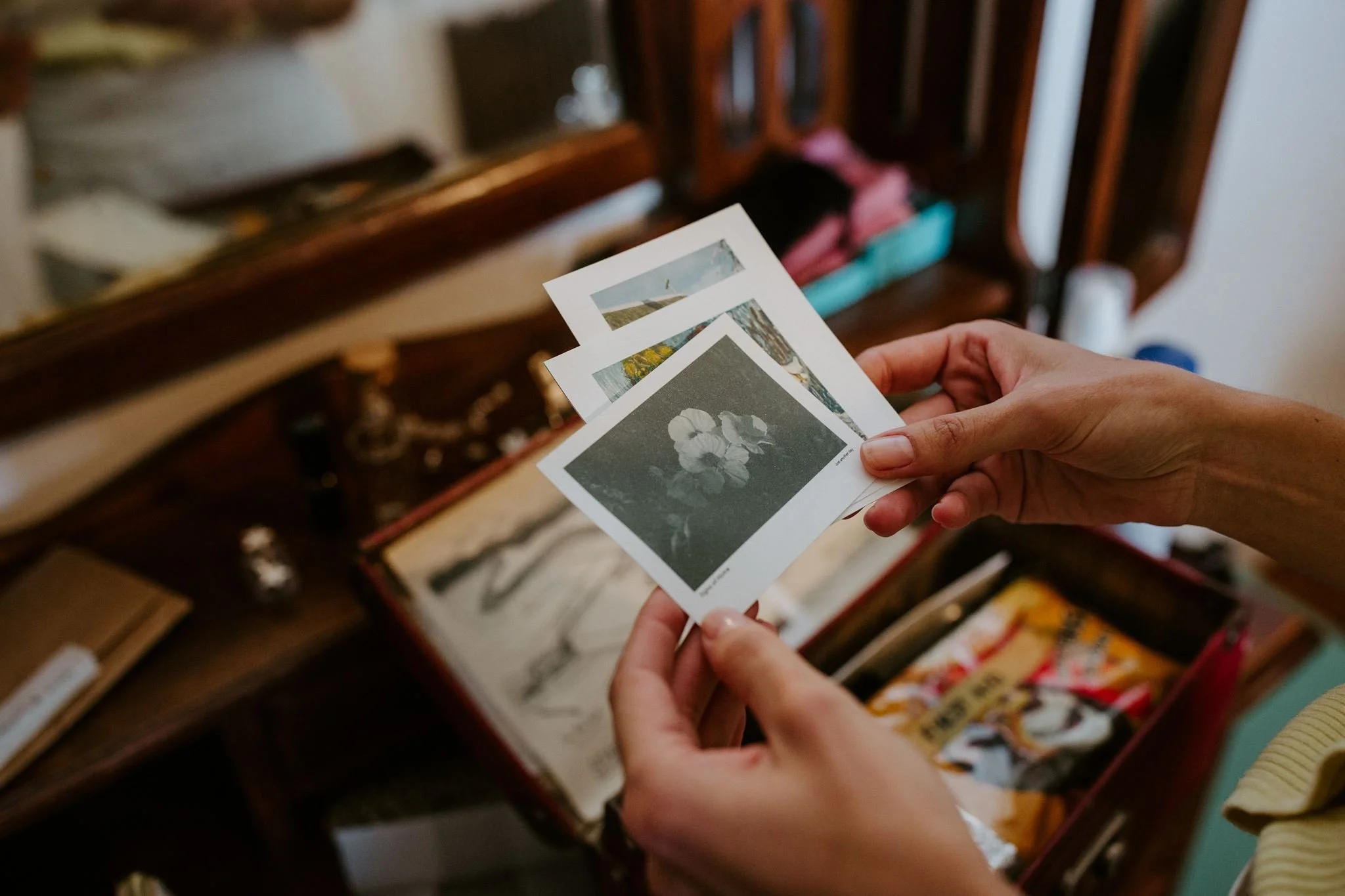
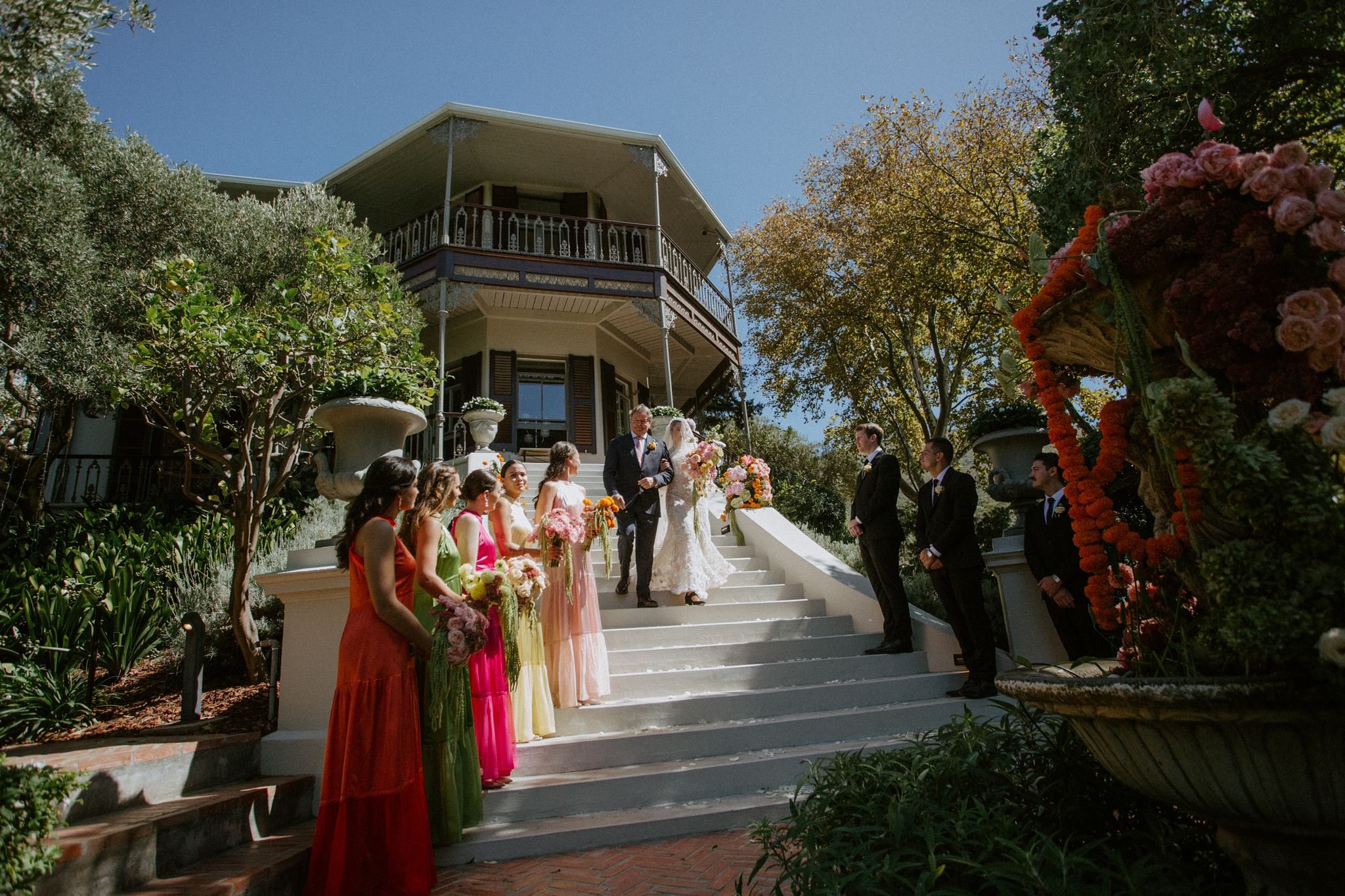
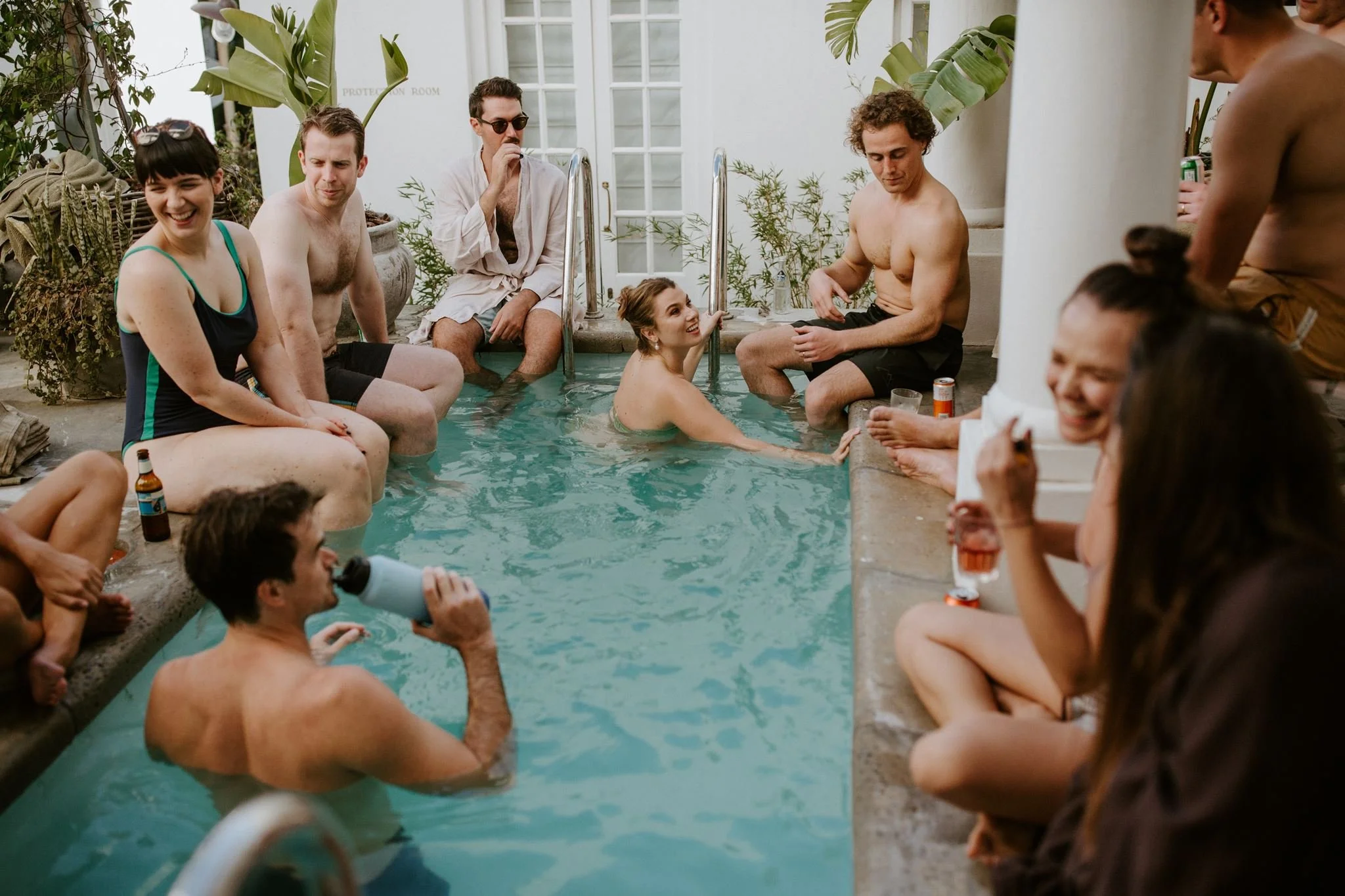
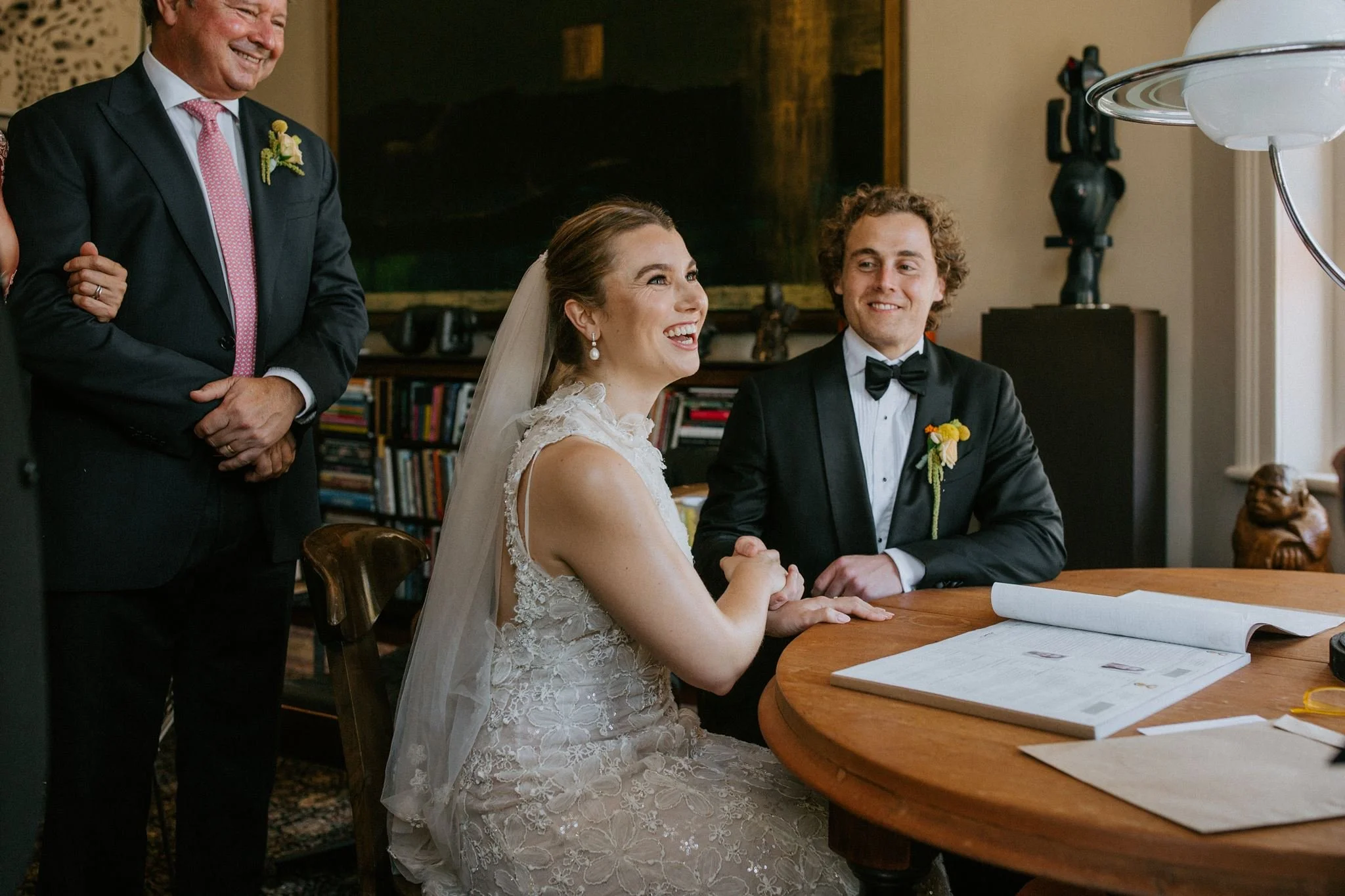
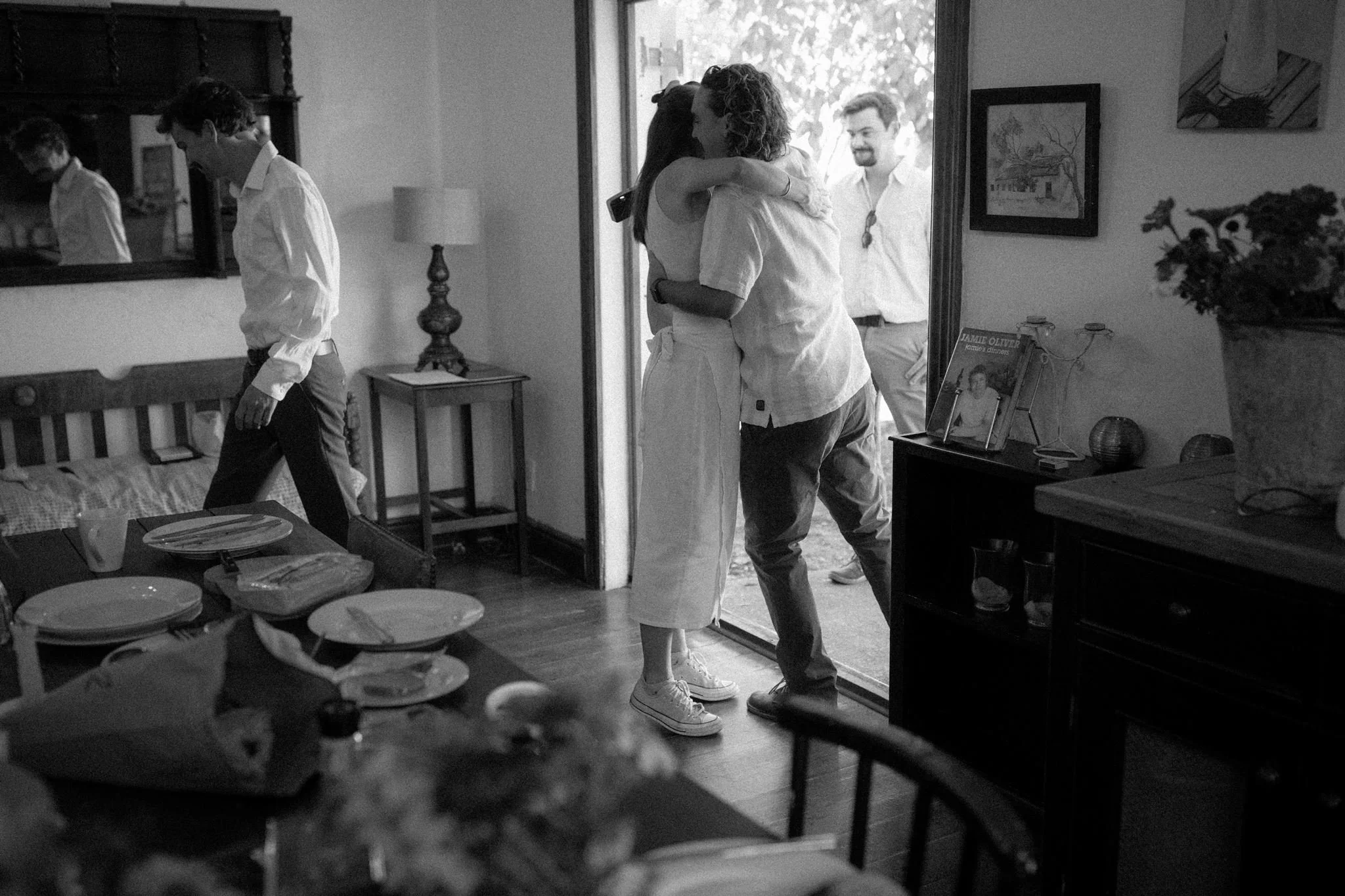
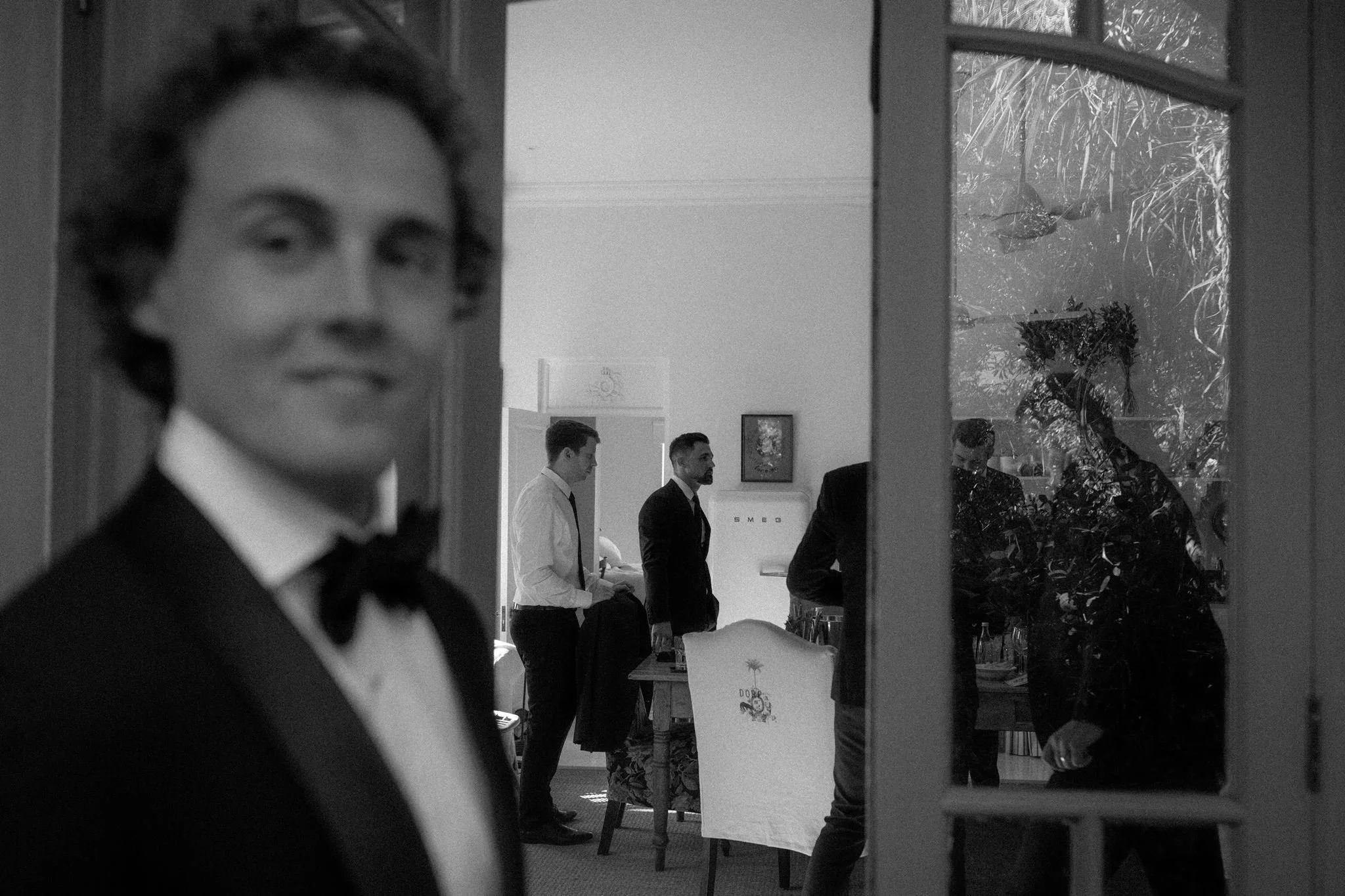
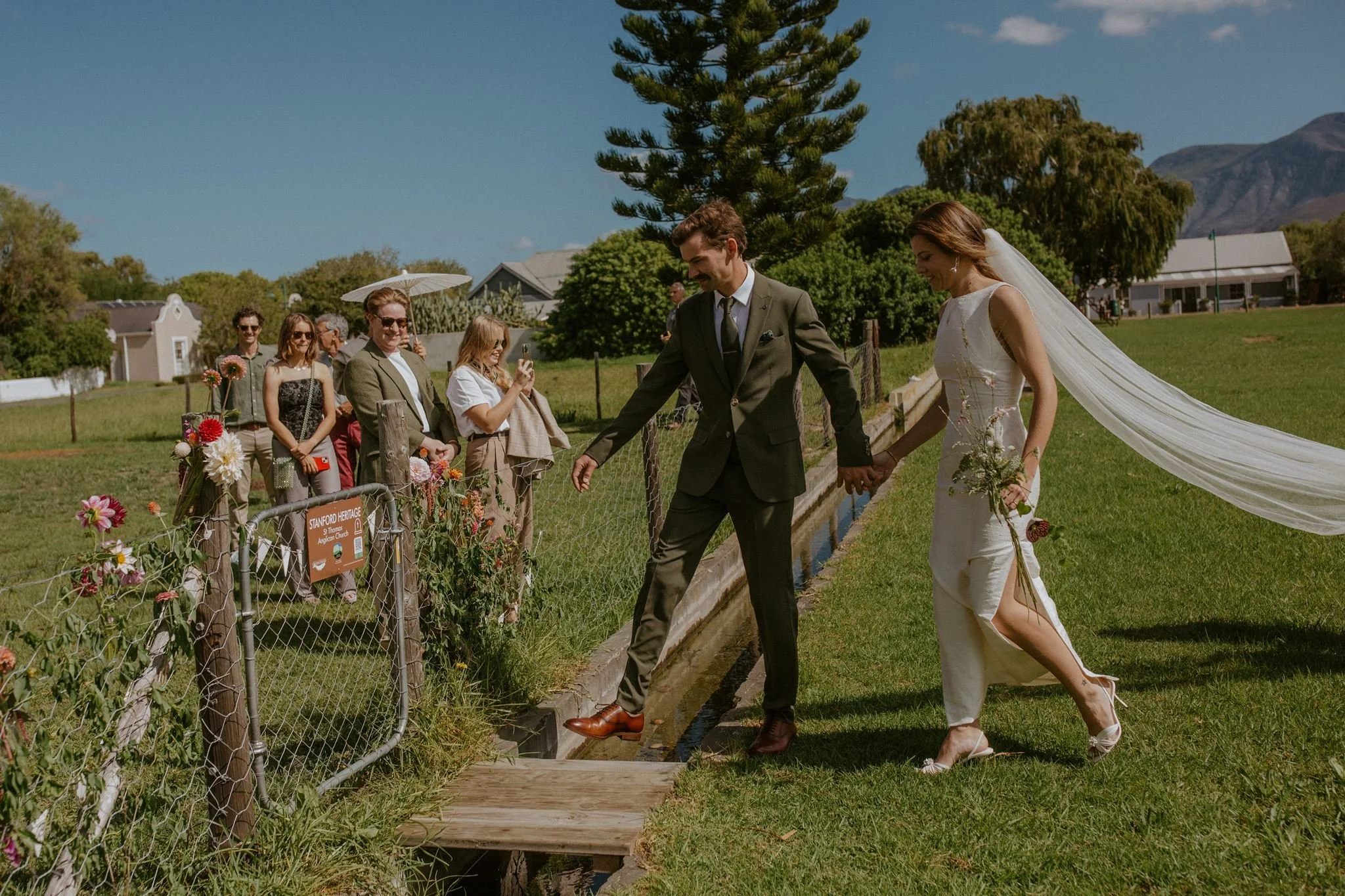
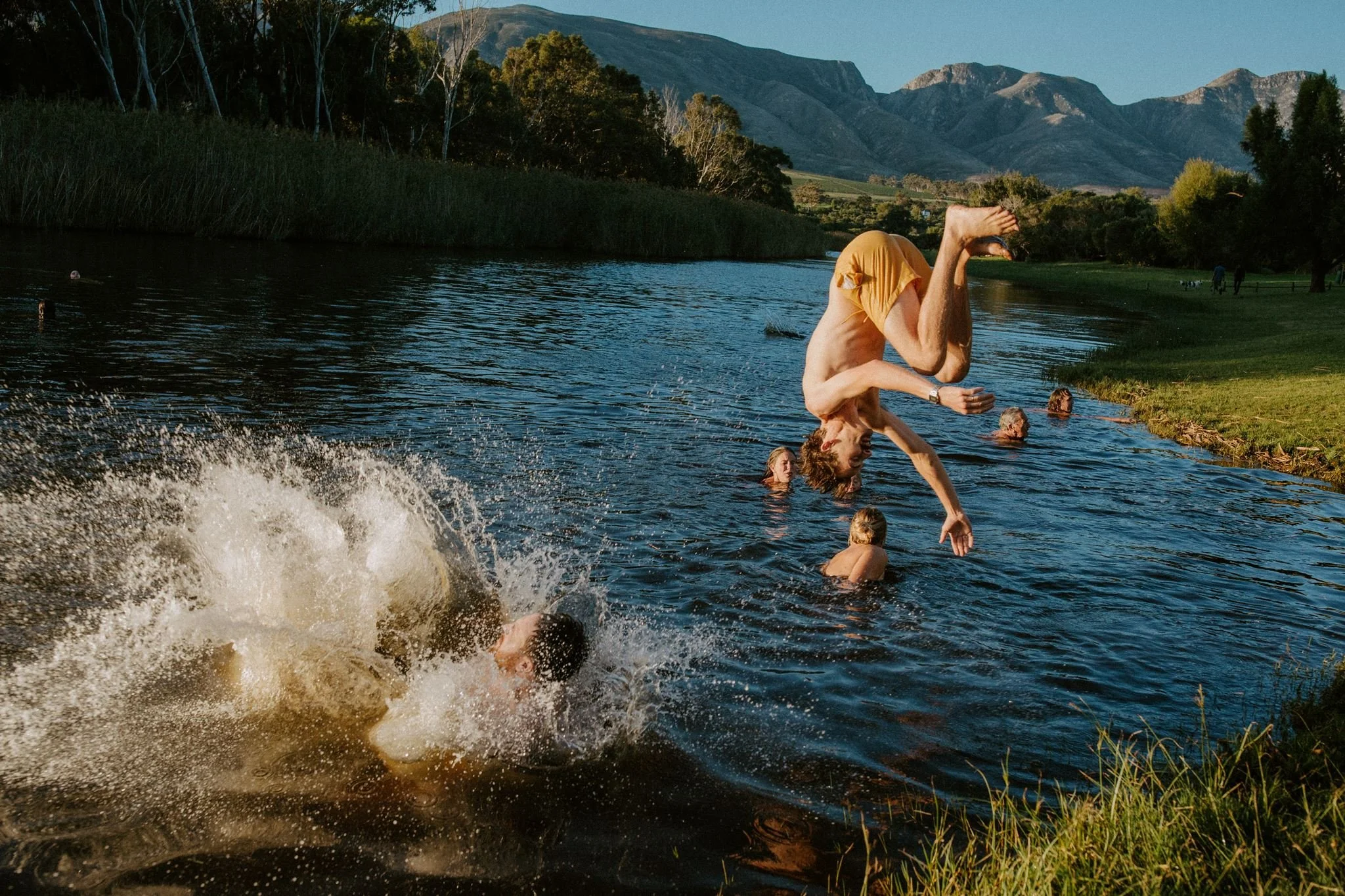
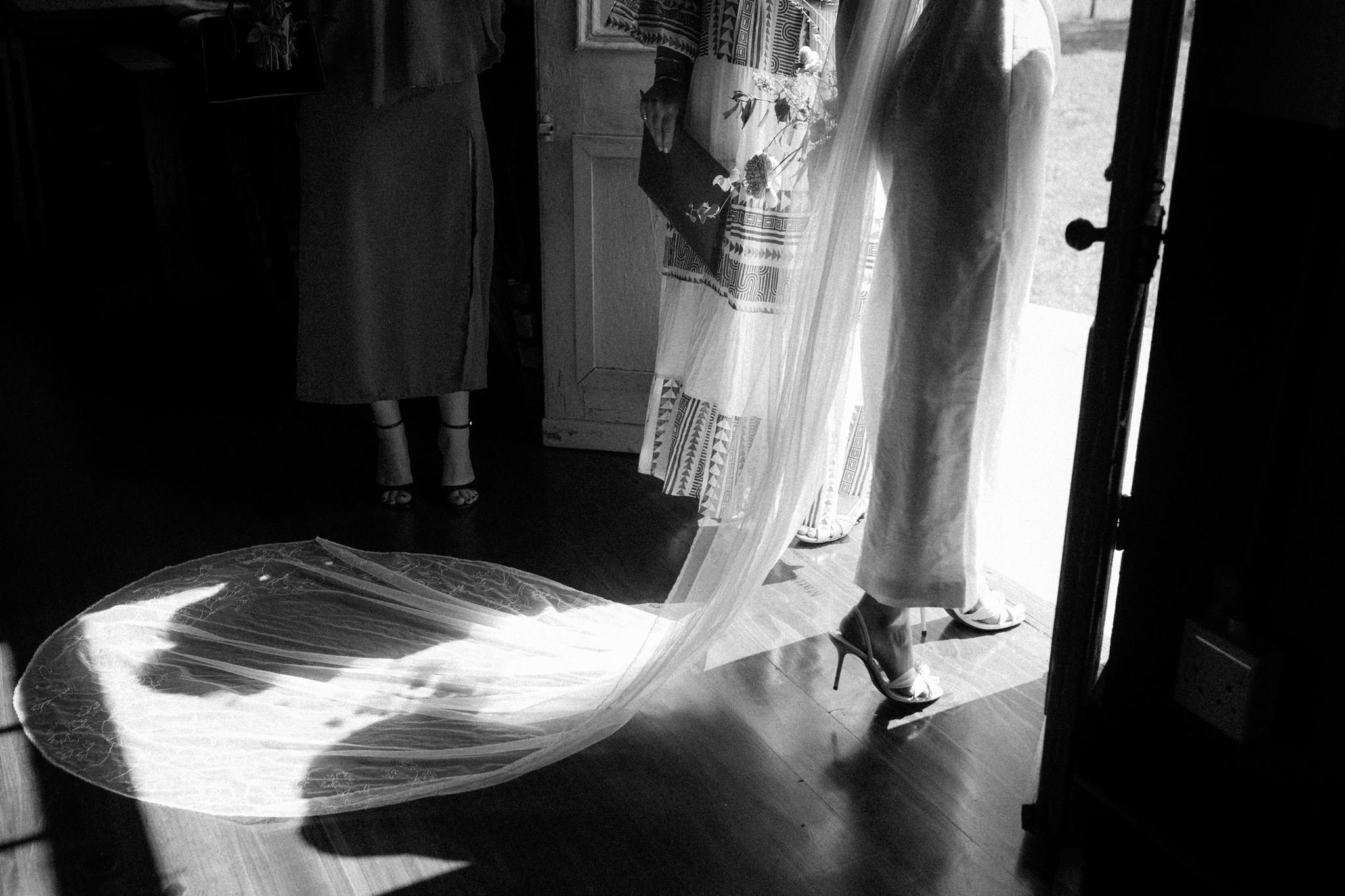
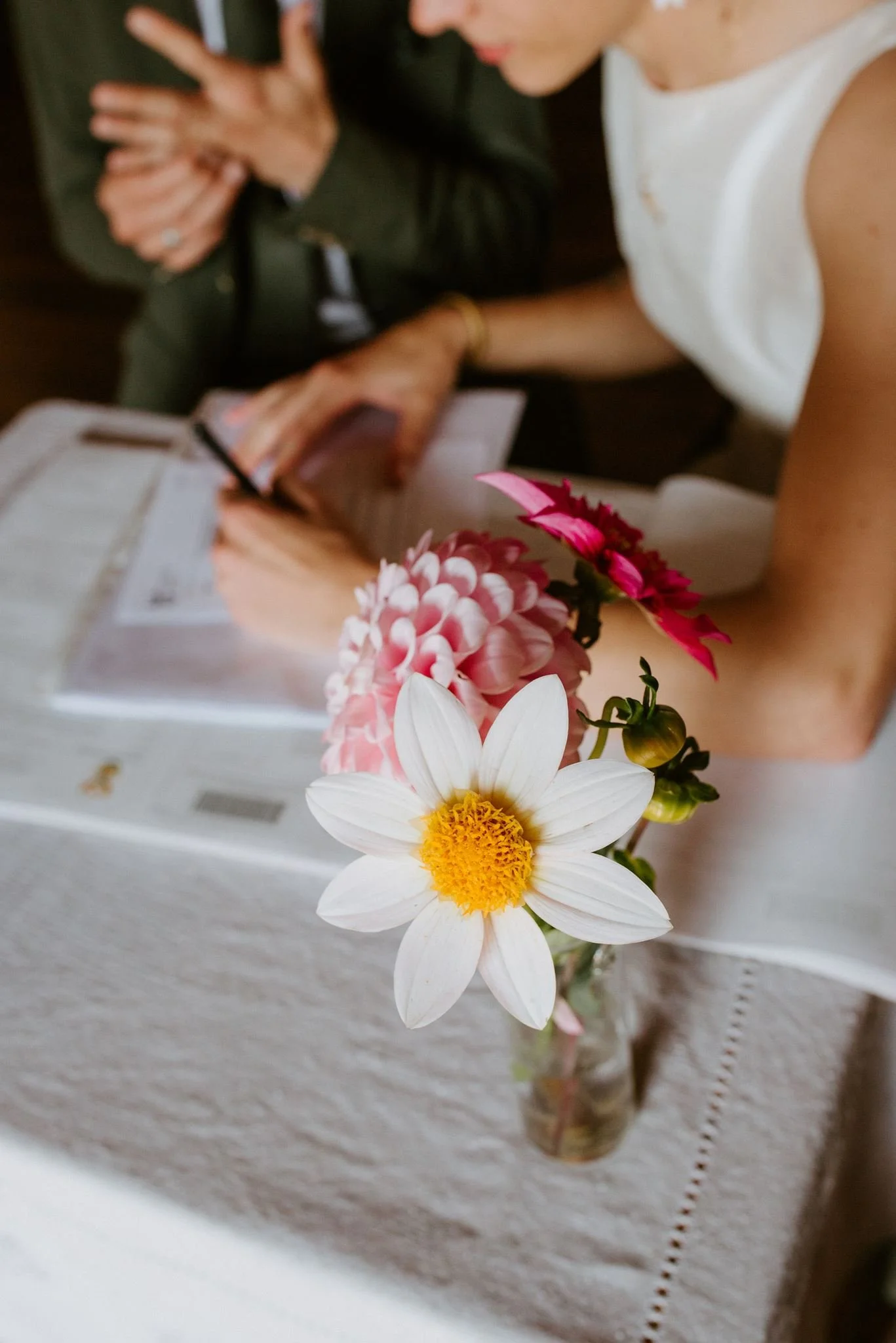
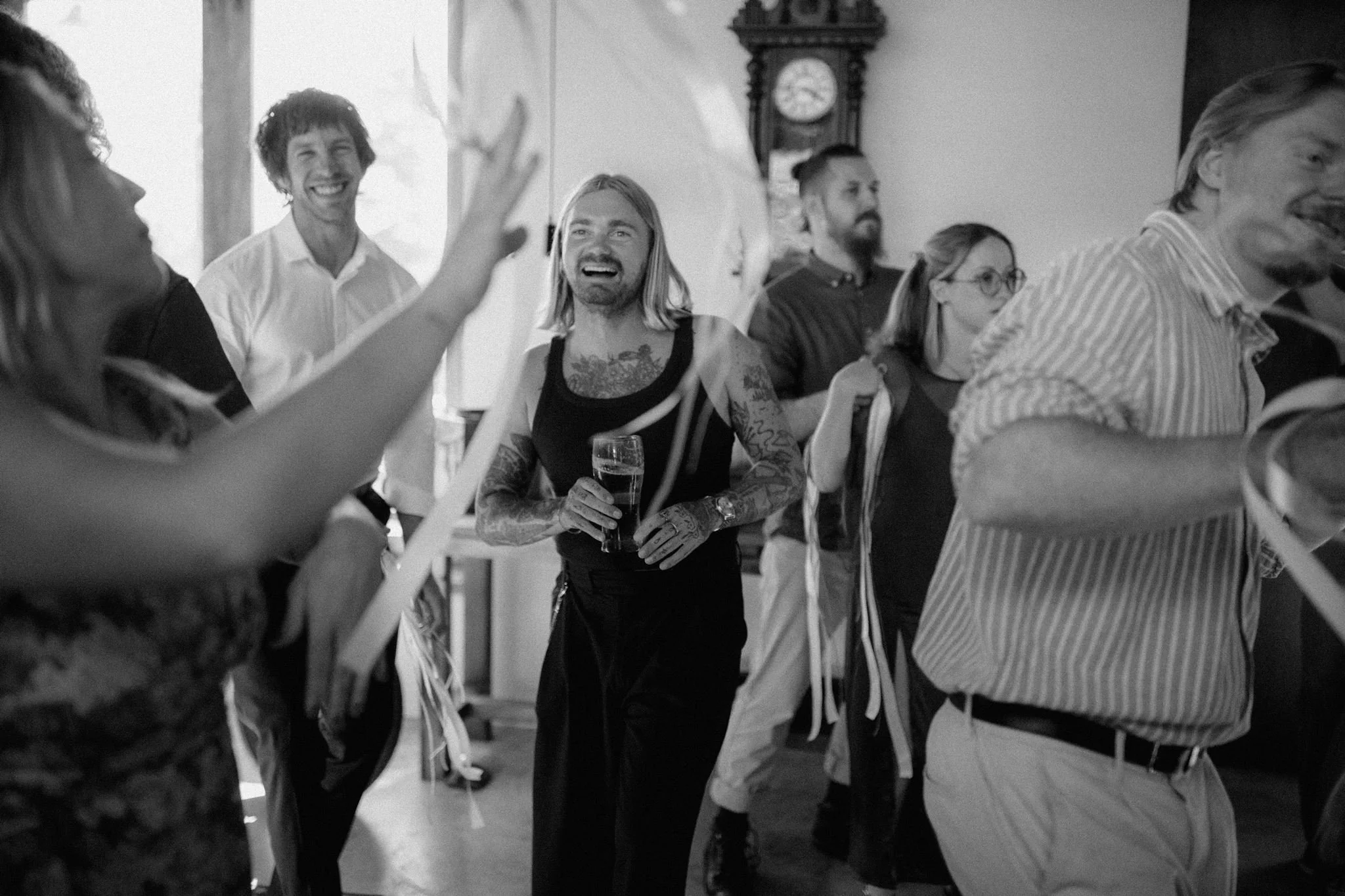
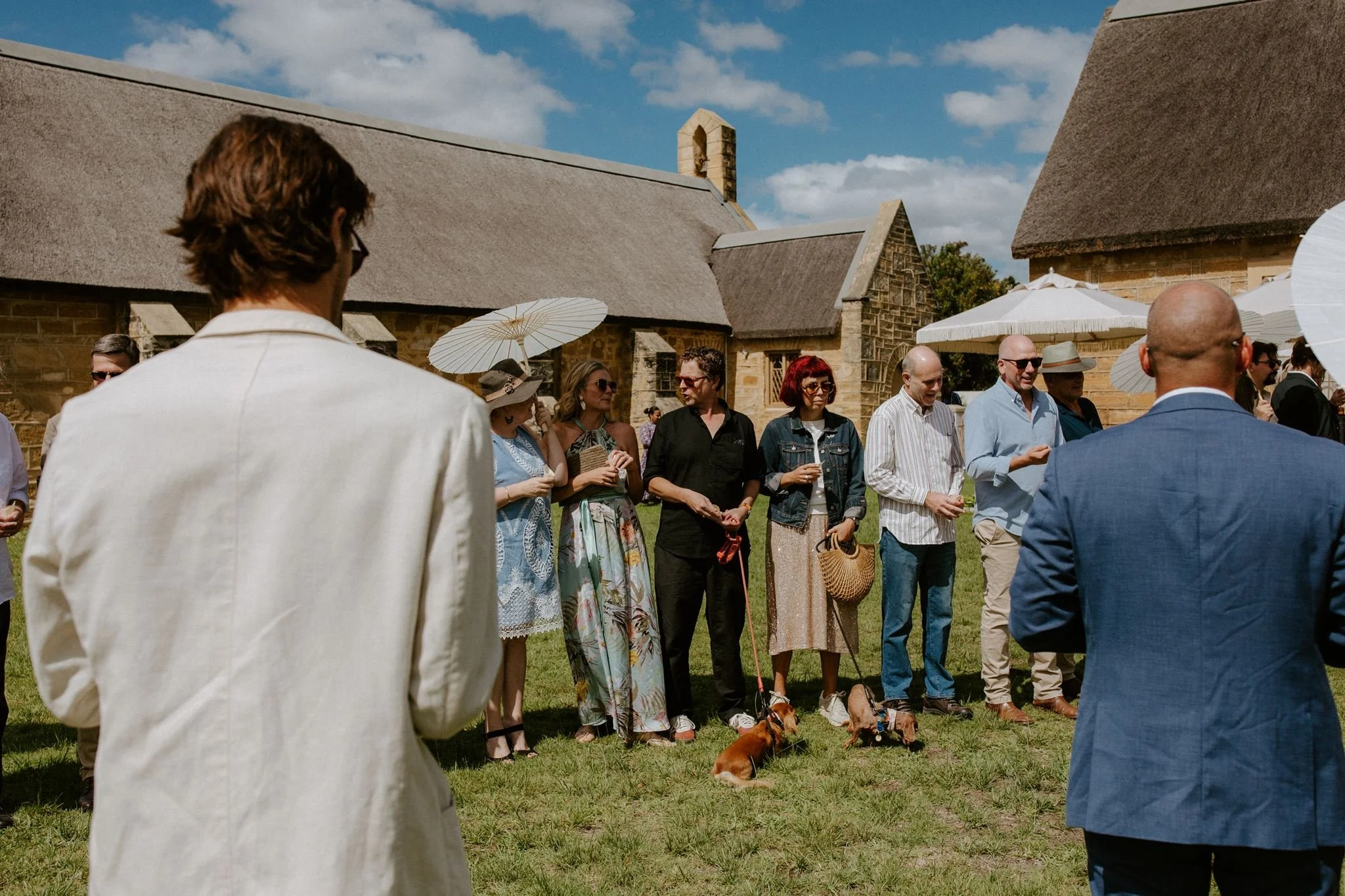
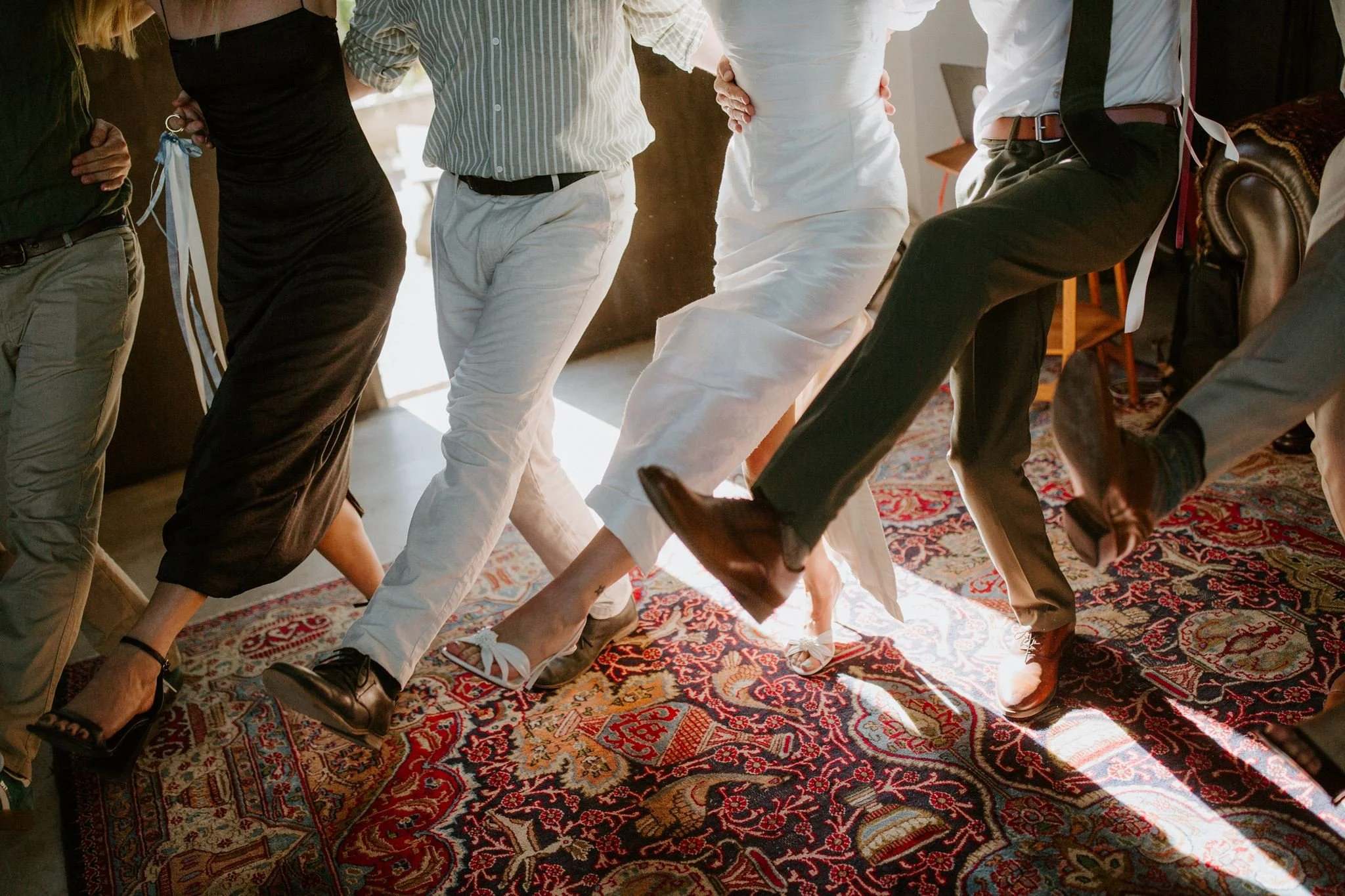
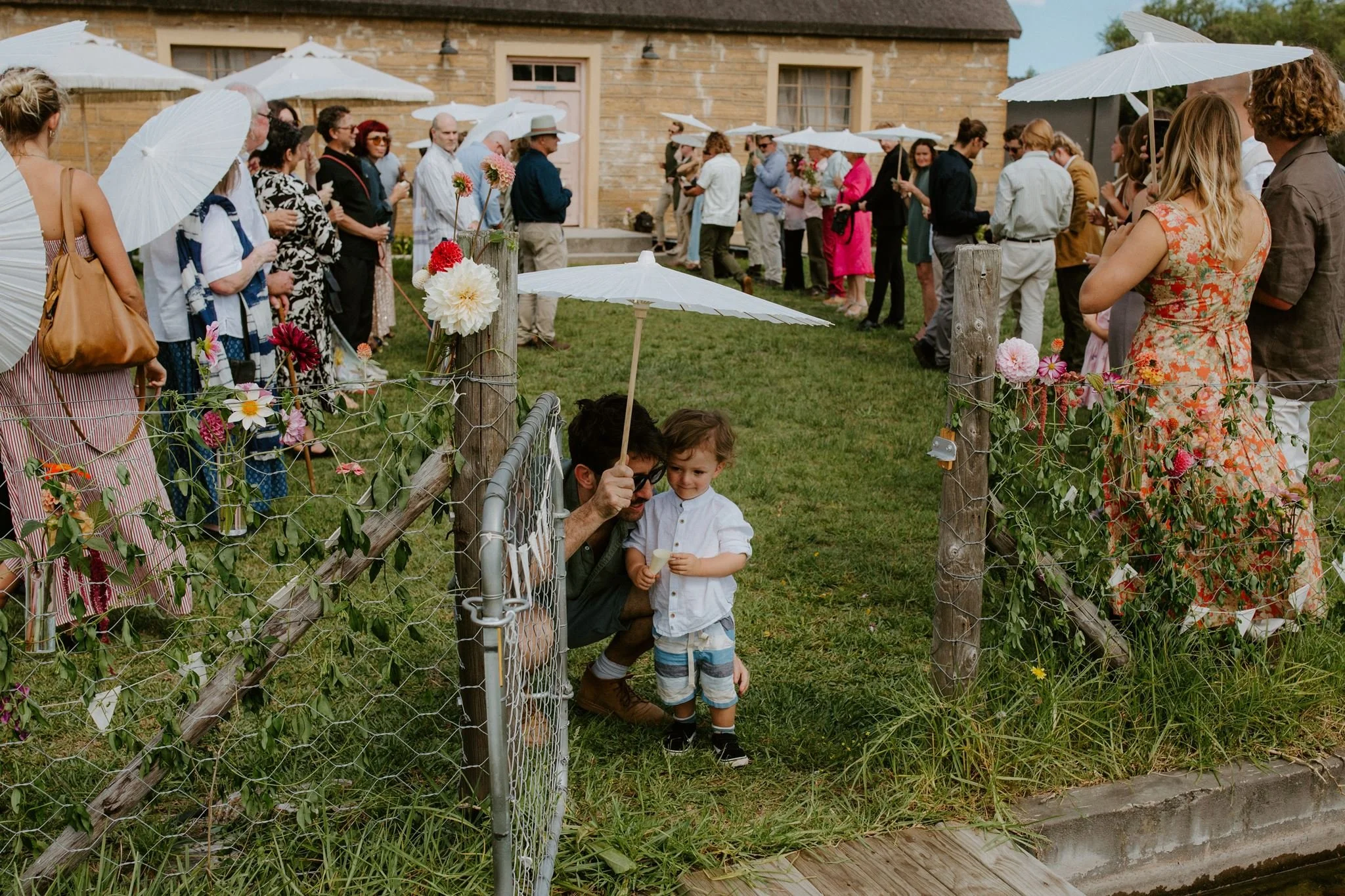
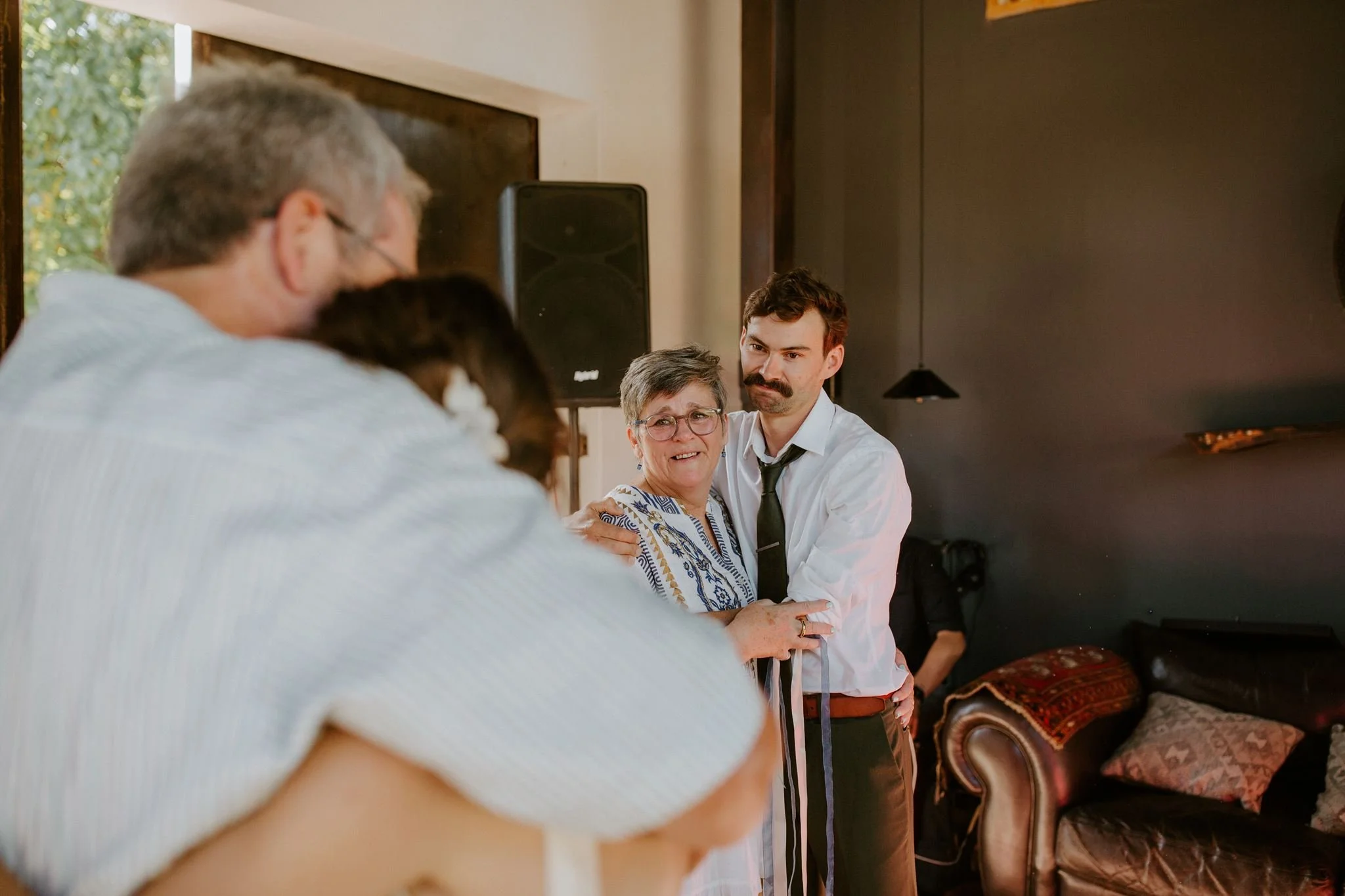
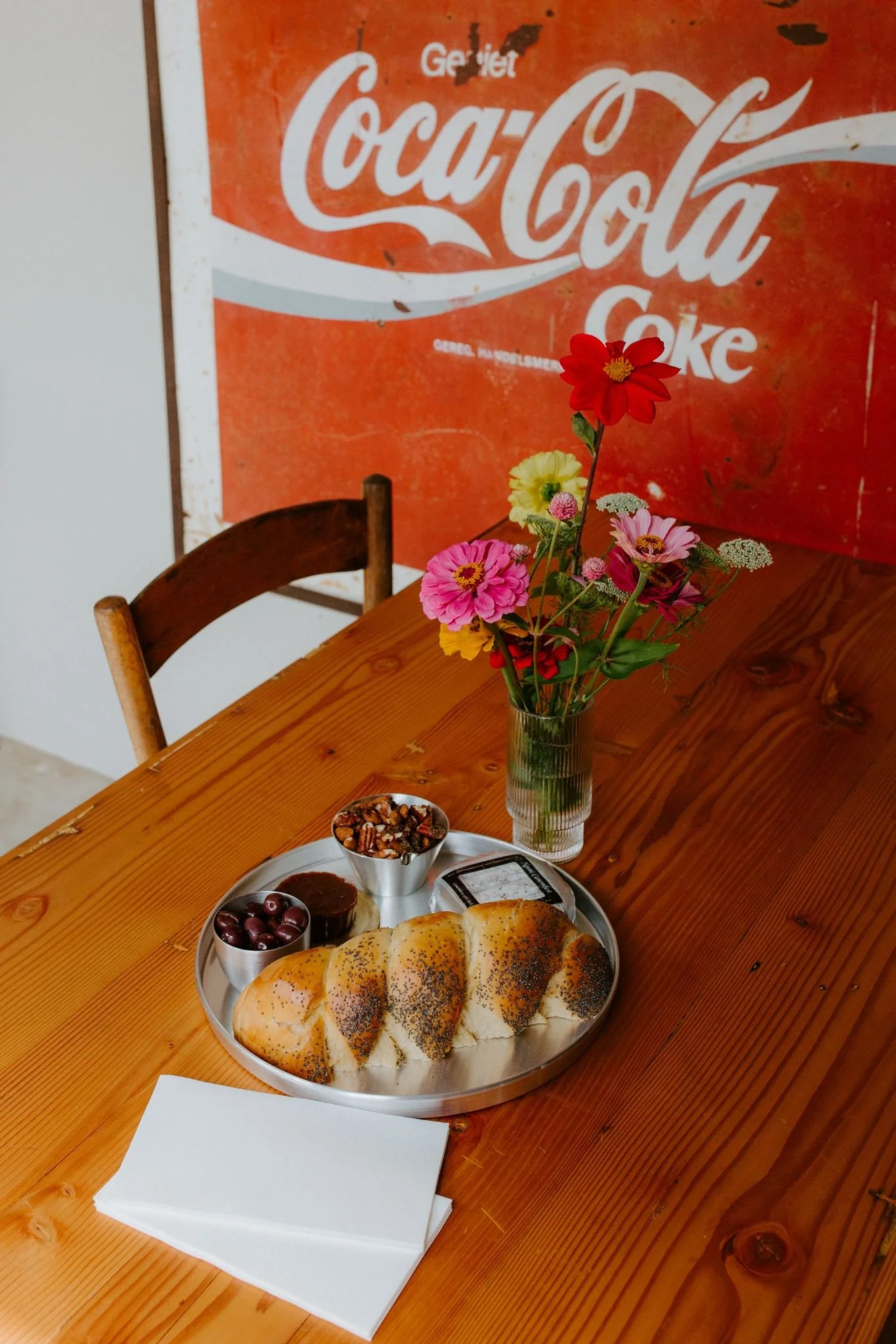
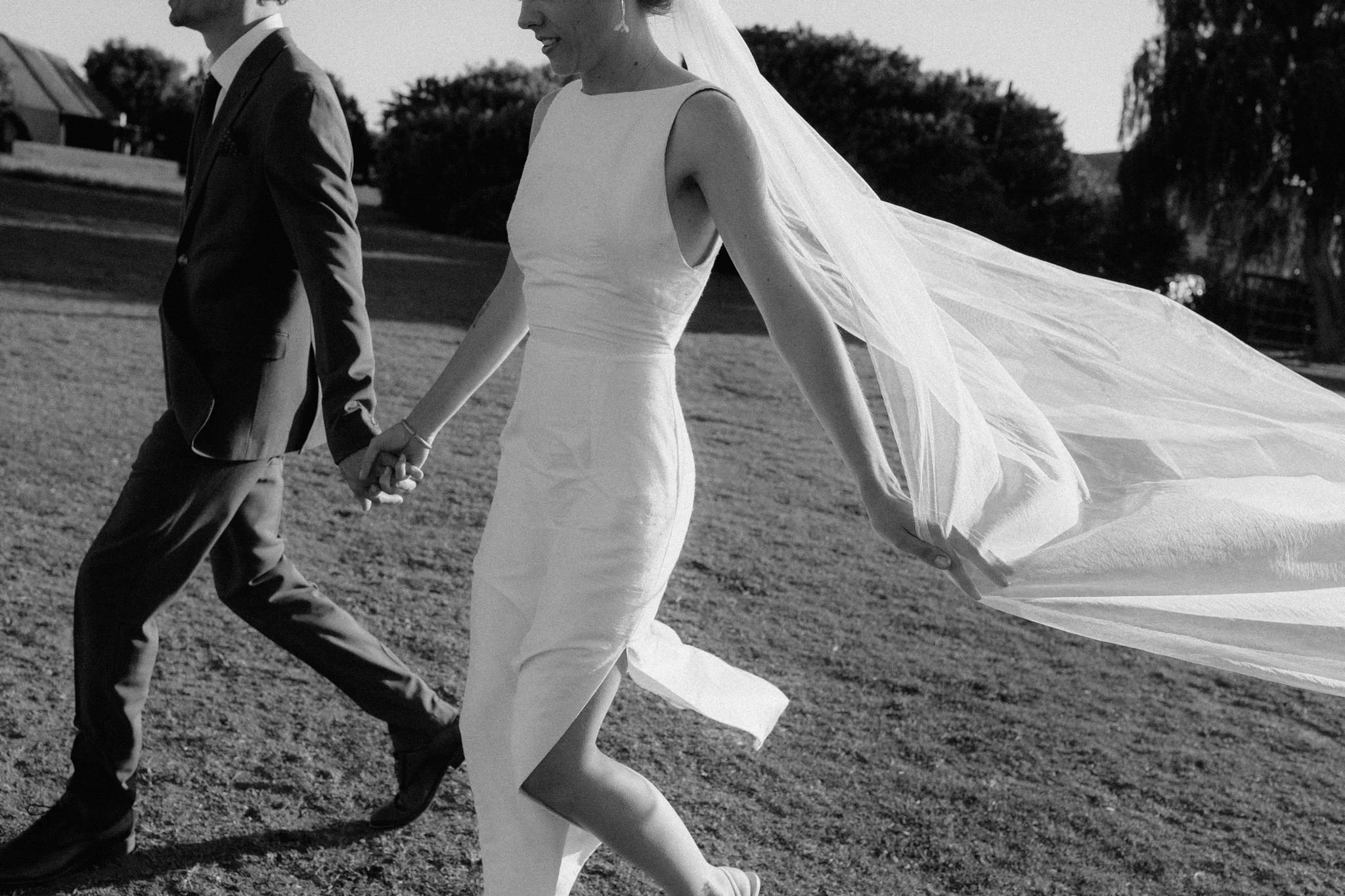
One of the questions I hear most is, “How involved are you on the day?”
I’m there for almost everything, but I never want to be in the middle of it.
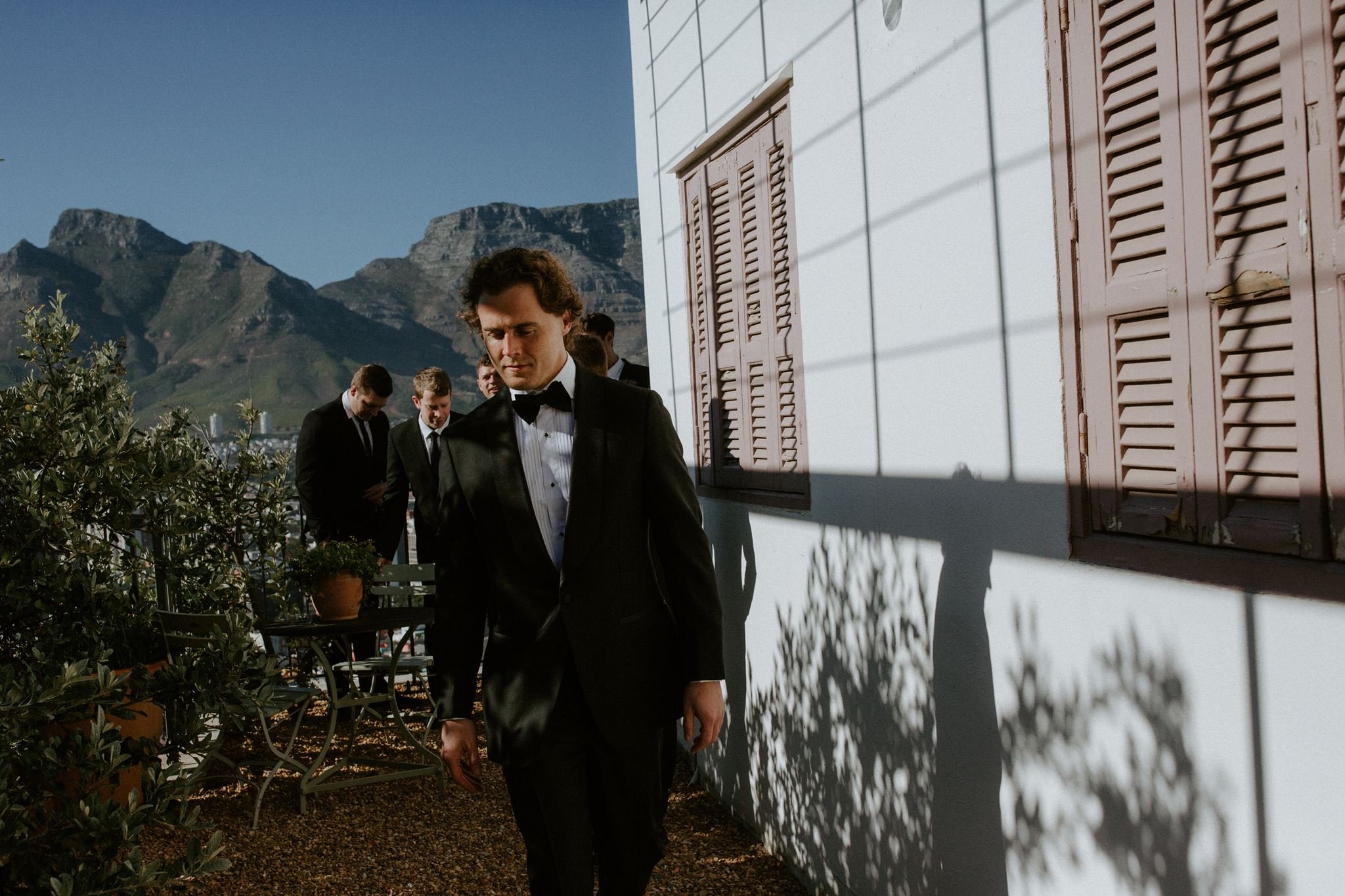
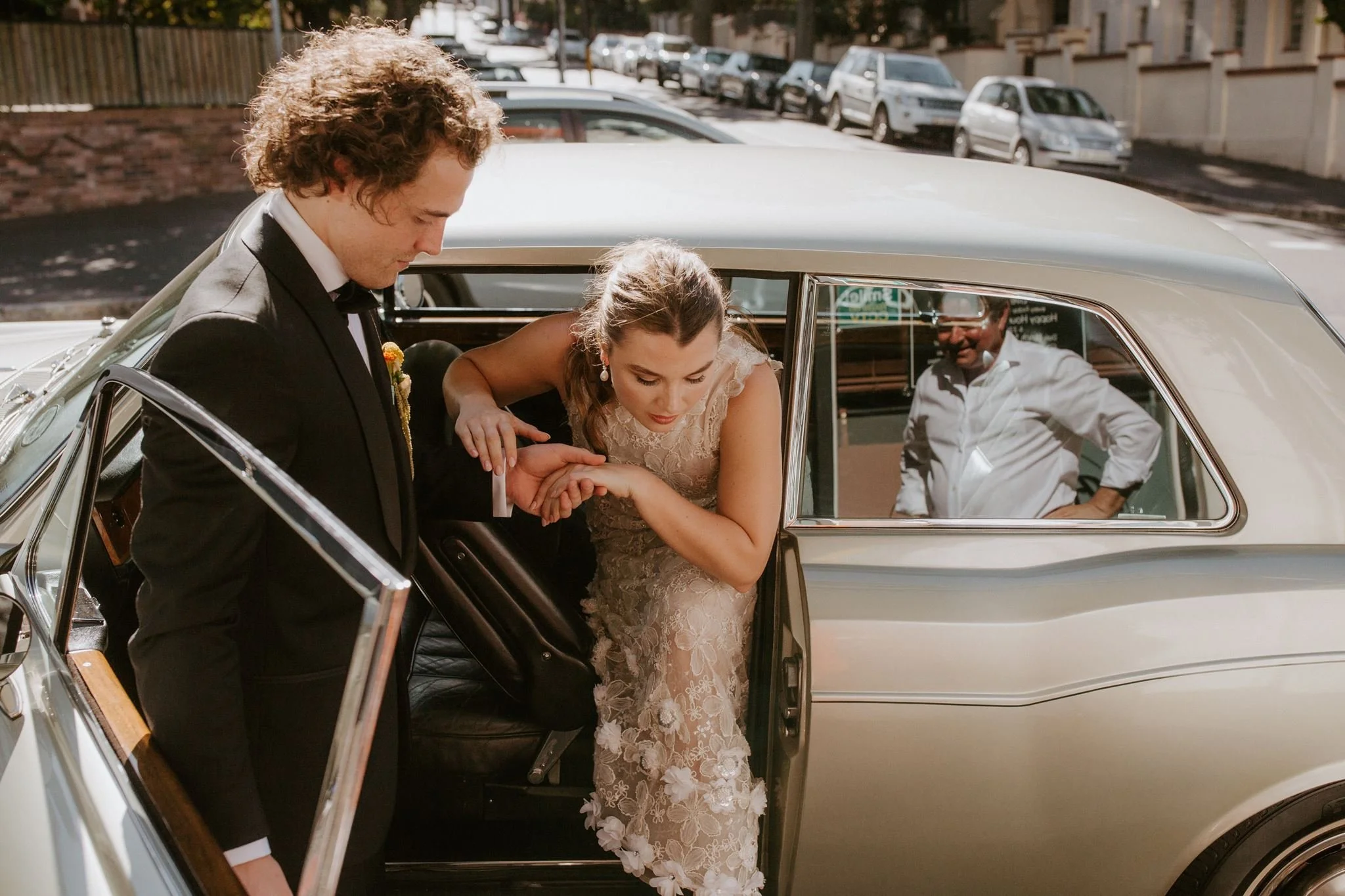
I move through the day paying attention to what is happening, where people are moving, how the light is changing, and what might happen next. Sometimes that means staying back. Sometimes it means moving closer. Sometimes it means stepping in.
“Do we get any direction at all?” The question isn't whether I directed something. It's whether directing it made the photograph or the experience better. The aim is for photography to become part of the day rather than something you have to keep thinking about. The aim is for photography to become part of the day rather than something you have to keep thinking about.
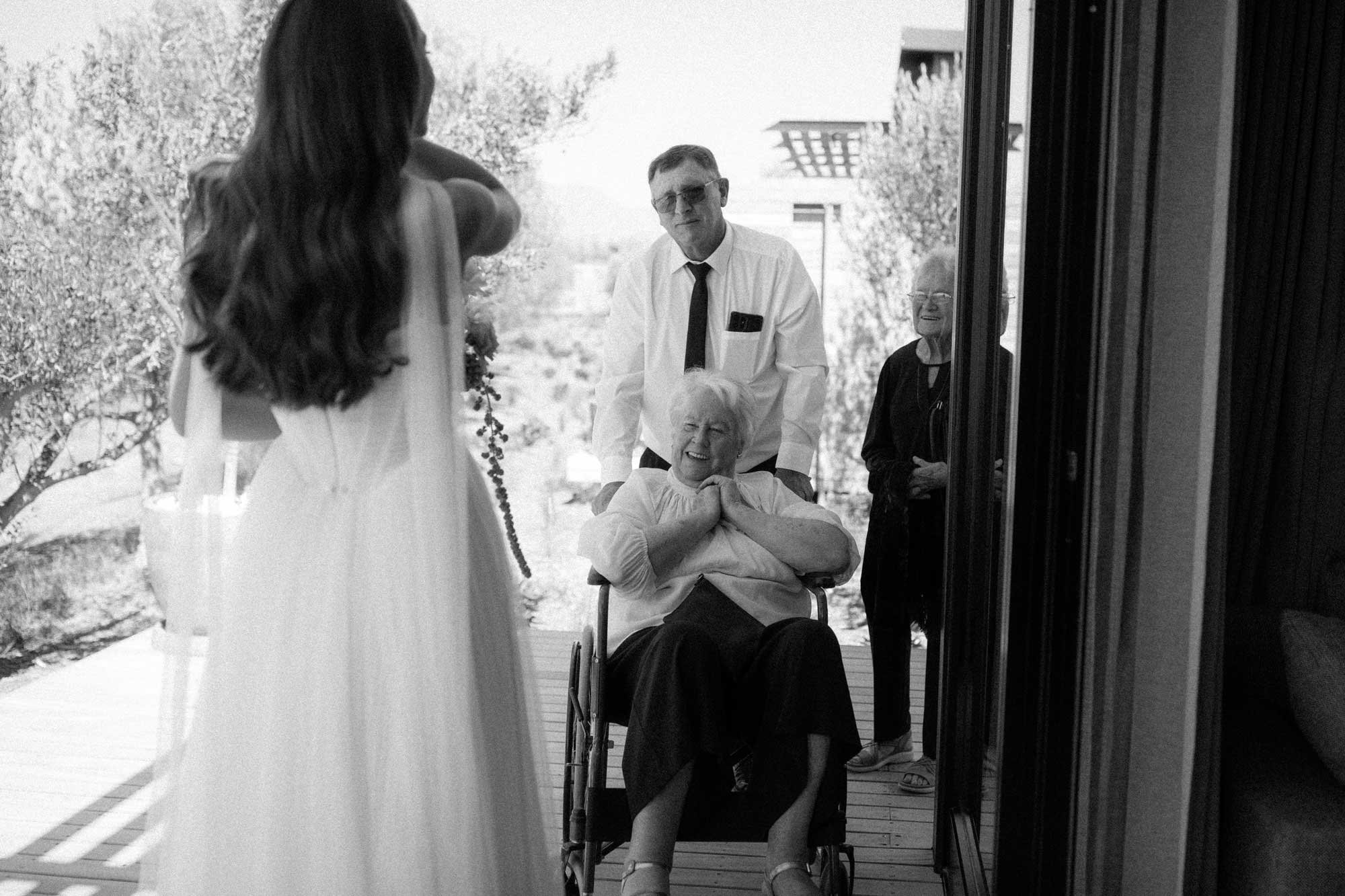
Of course, we’ll set aside time for photos of just the two of you. But you won’t have to worry about a long list of poses. I’ll find good light, suggest a place that gives you a little space, and give you enough direction to feel comfortable. Once you're comfortable, I step back and let you return to the day. The aim is to give you enough direction to make the photographs work without turning the moment into a performance.
Family photographs still need direction. I’ll organise them efficiently, make sure we have what we need, and get everyone back to the day.
A DIFFERENT WAY OF SEEING
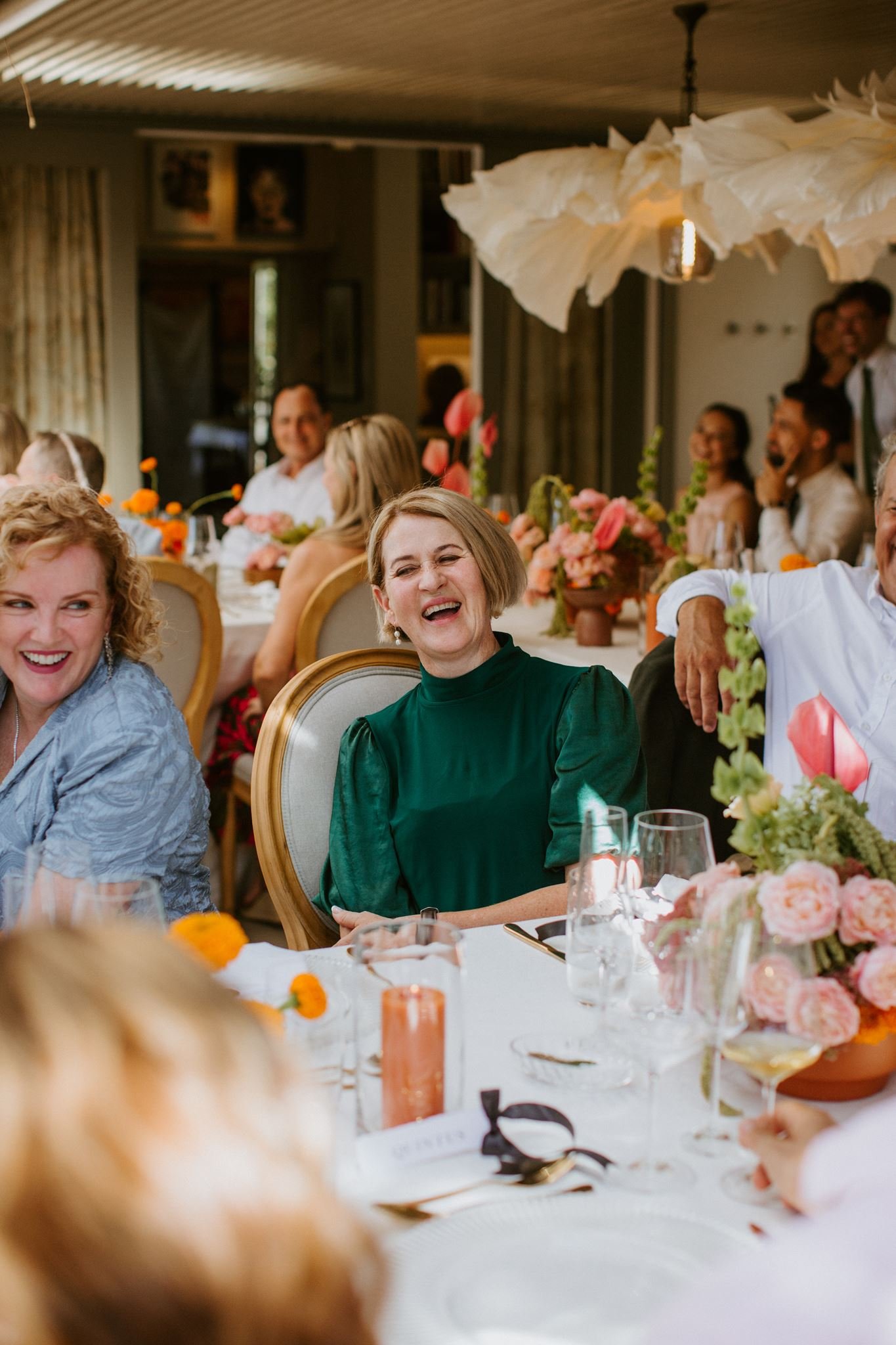
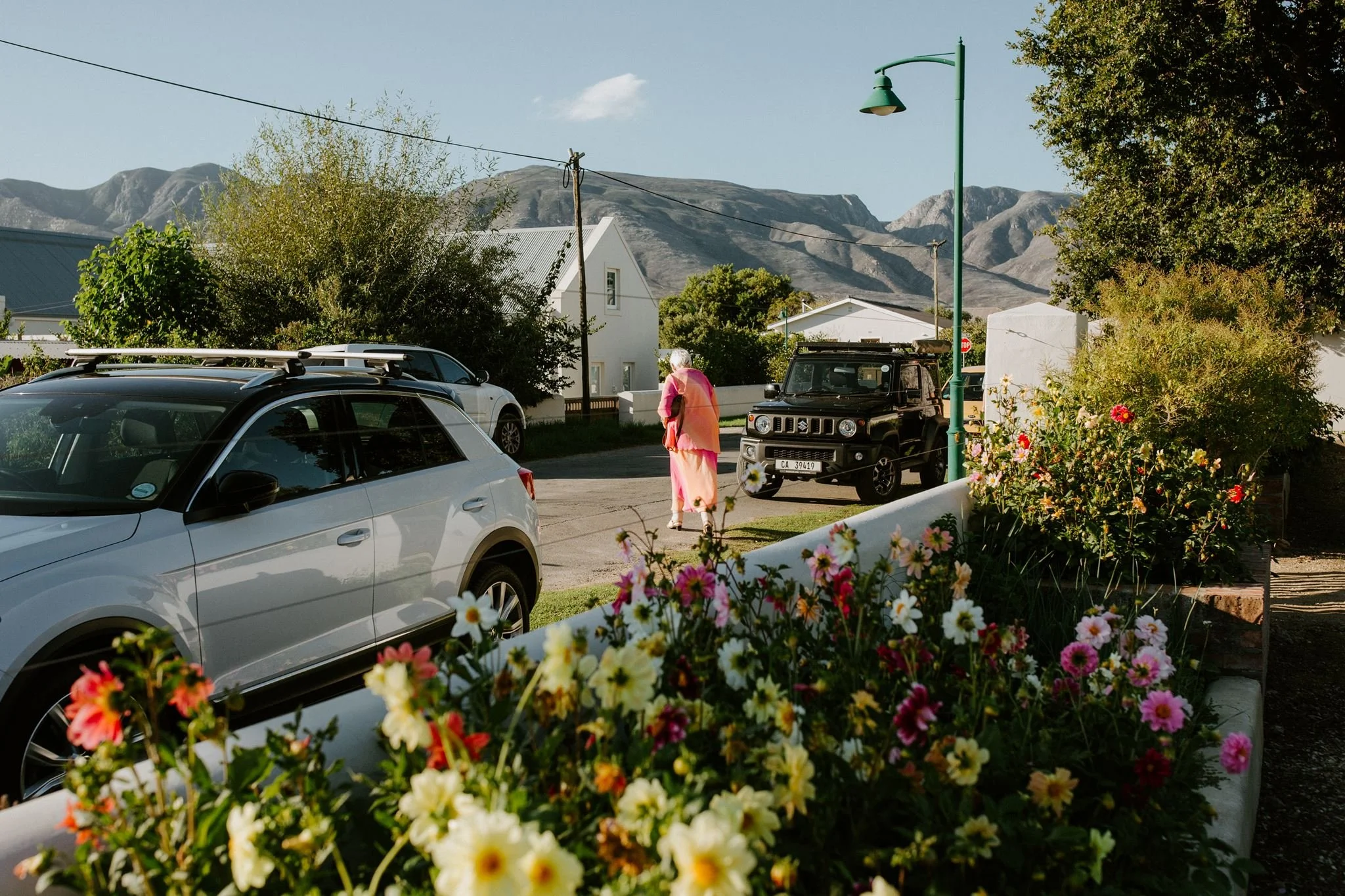
A wedding isn’t just a series of big moments. It’s hundreds of tiny ones. I pay attention to what happens around the obvious moments: who is watching, where people are standing, how the light falls across a room, what changes when someone enters, and what happens just before everyone turns their attention elsewhere.
Most people don’t notice these moments as they happen. They’re too busy living them. I notice them for you. The result is a gallery that shows not only what happened, but how the people and places around you shaped the day. After the wedding, I edit with the same attention. I’m not trying to include every photograph or every event. I’m looking for the images that work together — photographs of people, place, movement, atmosphere and the relationships between them. The final gallery should feel considered, not exhaustive.
That is what I want documentary wedding photography to give you: photographs made with attention, without asking you to perform for them. I’ll know when to watch, when to move closer, when to direct and when to leave something alone.
If this approach to wedding photography feels right for you, you can read more about how I work as a documentary wedding photographer in Cape Town and across South Africa.
